What Is Water and Why Is It Important for the Body?
Water is a transparent, tasteless, and nearly colorless liquid that is essential for all known forms of life. It makes up about 60% of the human body and is crucial for maintaining health. Water supports vital bodily functions such as digestion, nutrient absorption, temperature regulation, and waste elimination. Without adequate water, the body cannot perform these functions efficiently, leading to dehydration and other health issues. It acts as a solvent, transporter, and temperature buffer, making it indispensable for survival.
Which Sources Provide Water?
Water comes from various natural sources. The primary sources include surface water from rivers, lakes, and reservoirs, as well as groundwater from underground aquifers. Drinking water supplied through taps is usually treated to remove harmful contaminants. Other sources include rainwater, which replenishes water bodies, and in some regions, water from wells, springs, and glaciers. Additionally, water is obtained through the food we eat, especially fruits and vegetables with high water content.
What Are the Benefits of Water?
Water offers numerous health benefits. It helps regulate body temperature through sweating and respiration. Water aids digestion and prevents constipation by facilitating smooth bowel movements. It also plays a vital role in flushing out toxins and waste products through urine and sweat. Proper hydration boosts energy levels, improves skin health, and enhances cognitive function. Drinking enough water can also help in weight management by promoting satiety and reducing calorie intake.
What Problems Arise from a Lack of Water?
Dehydration occurs when the body loses more water than it takes in. Mild dehydration can cause fatigue, dizziness, dry mouth, and reduced urination. Severe dehydration can lead to serious health issues such as heatstroke, kidney failure, and even life-threatening conditions. Lack of water impairs bodily functions, weakens the immune system, and hampers cognitive performance. Long-term dehydration can also cause kidney stones and other chronic health problems.
Are There Risks of Drinking Too Much Water?
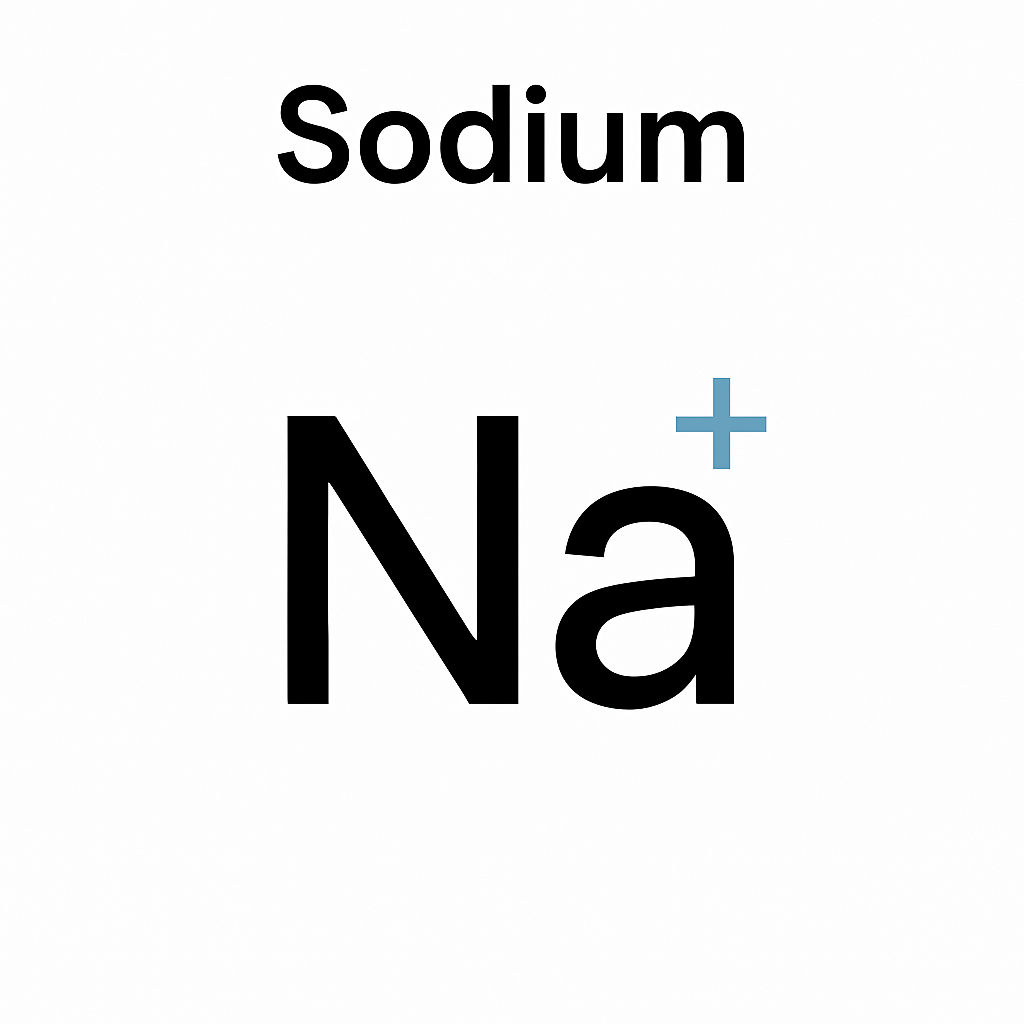
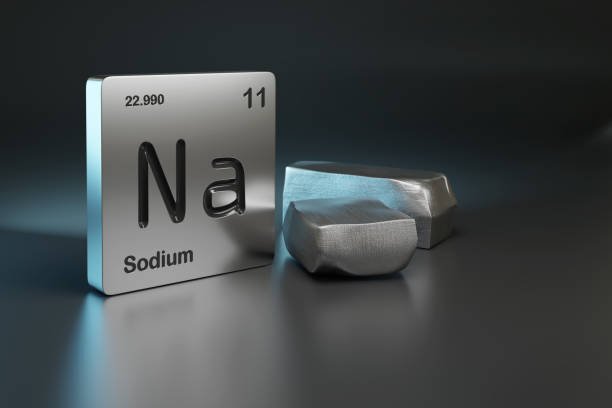
While staying hydrated is important, consuming excessive amounts of water can lead to water intoxication, also known as hyponatremia. This condition dilutes the sodium levels in the blood, causing symptoms like nausea, headache, confusion, and in severe cases, seizures or coma. It’s essential to drink water according to your body’s needs and avoid forcing large quantities in a short time, especially during intense physical activity.
Which Parts of the Body Need Water the Most?
Water is vital for every part of the body. The brain, muscles, skin, and organs like kidneys and liver heavily depend on water for proper functioning. The brain uses water to maintain cognitive functions and regulate mood. Muscles require water to work efficiently, especially during physical activity. The skin benefits from hydration to stay elastic and youthful. The kidneys rely on water to filter waste and maintain electrolyte balance.
How Much Water Should Different Age Groups Drink?
Water requirements vary depending on age, activity level, climate, and health status. Infants need around 0.7 liters daily, while children require approximately 1.7 liters. Adults generally need about 2 to 3 liters per day, with pregnant and breastfeeding women requiring slightly more. Older adults should aim for similar amounts but may need to be more mindful of hydration due to decreased thirst sensation and other health factors.
What Should Be the Quality of Water?
Clean, safe, and high-quality water should be free from harmful bacteria, viruses, chemicals, and pollutants. It should have an acceptable pH level, usually between 6.5 and 8.5. The water should be free from excessive chlorine, heavy metals, and other contaminants. Access to potable water is essential to prevent waterborne diseases and ensure health. Regular testing and proper filtration are necessary to maintain water quality.
How Does Water Interact with Other Nutrients or Substances?
Water interacts with many nutrients, aiding in their absorption, transport, and utilization. It helps dissolve vitamins, minerals, and other molecules, making them bioavailable. Water also influences the effectiveness of medications and supplements. For example, certain drugs require adequate hydration for proper absorption. Additionally, water balances electrolytes like sodium and potassium, which are crucial for nerve function and muscle contractions.
Why Is Monitoring Water Intake Important in Medical Diagnosis?
Monitoring water intake and hydration status is vital for diagnosing dehydration, kidney function, and electrolyte imbalances. It also helps in managing chronic conditions like heart failure or kidney disease. Accurate assessment of water consumption can guide treatment plans, prevent complications, and ensure optimal health. Medical professionals often evaluate hydration levels through physical exams, blood tests, and urine analysis to diagnose and treat related health issues.