Search
Close this search box.

Manganese and Bone Health: The Critical Connection

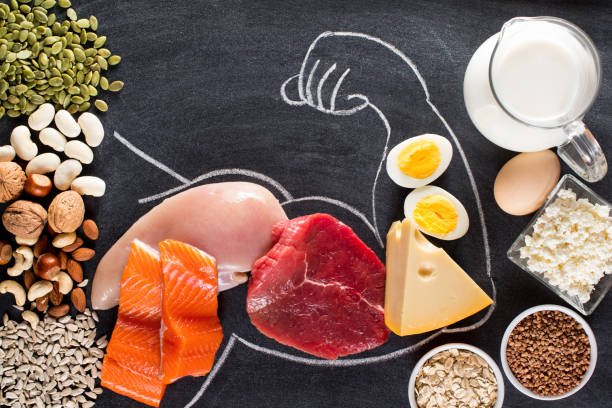
A close-up of a handful of nuts and seeds rich in manganese, showcasing their natural appearance.
Facebook
Twitter
LinkedIn

How Does Manganese Work in Different Body Systems?

Manganese is a vital trace mineral that plays a crucial role across various body systems. It acts as a cofactor for numerous enzymes involved in antioxidant defense, bone formation, and metabolism. In the skeletal system, manganese contributes to healthy bone development and mineralization, helping maintain bone strength. It also supports the nervous system by aiding in neurotransmitter synthesis and nerve function. Additionally, manganese is essential in energy production, as it helps activate enzymes involved in metabolizing carbohydrates, proteins, and fats. Its antioxidant properties help neutralize harmful free radicals, reducing oxidative stress throughout the body, which helps prevent cellular damage and chronic diseases.

Where Can You Find Manganese in Your Daily Diet?

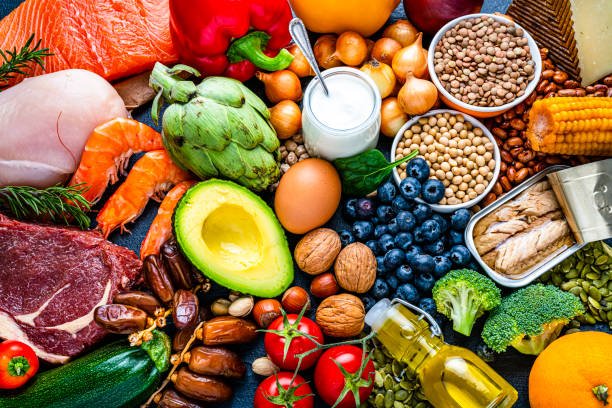
Manganese is naturally present in a variety of everyday foods, making it easy to include in your diet. Rich sources include:

  • Whole grains such as oats, brown rice, and whole wheat bread
  • Nuts and seeds like almonds, pine nuts, and sunflower seeds
  • Legumes including lentils and chickpeas
  • Leafy green vegetables like spinach and kale
  • Fruits such as pineapples and strawberries
  • Tea leaves and certain herbs
    Incorporating these foods into your daily meals ensures you get an adequate amount of manganese essential for optimal health.

What Changes Occur in the Body Due to Manganese Deficiency?

A deficiency in manganese can lead to several health issues:

  • Bone Problems: Reduced bone density, increased risk of fractures, and osteoporosis due to impaired bone formation
  • Impaired Metabolism: Disruption in carbohydrate, protein, and fat metabolism leading to fatigue and weakness
  • Poor Wound Healing: Slower recovery from injuries because of compromised collagen synthesis
  • Neurological Symptoms: Problems with nerve function, such as tremors or difficulty concentrating
  • Immune System Weakness: Reduced ability to fight off infections
    Long-term deficiency can significantly impact overall growth, development, and health.

What Are the Risks of Excess Manganese Intake?

Consuming too much manganese, especially through supplements or contaminated water, can be harmful. Potential adverse effects include:

  • Neurological Problems: Tremors, muscle stiffness, and in severe cases, a condition similar to Parkinson’s disease
  • Cognitive Impairment: Memory issues and difficulty concentrating
  • Respiratory Issues: When inhaled in dust form, manganese can cause lung problems
  • Gastrointestinal Distress: Nausea, vomiting, and abdominal pain
    Prolonged overdose can lead to manganese toxicity, so moderation and medical supervision are essential.

Which Body Parts Need Manganese Most?

Manganese is especially important for:

  • Bones: Critical for the development and maintenance of strong, healthy bones
  • Brain: Supports neurotransmitter function and neural health
  • Blood: Assists in the formation of connective tissues and enzymes involved in blood clotting
  • Skin and Collagen: Aids in wound healing and skin health
    Overall, these systems rely heavily on manganese to function properly and stay healthy.

What Are the Main Benefits of Manganese and Why Is It Important?

Manganese offers multiple health benefits:

  • Bone Health: Promotes strong bones and prevents osteoporosis
  • Antioxidant Defense: Supports enzymes that fight oxidative stress and reduce cell damage
  • Metabolic Regulation: Helps break down nutrients for energy production
  • Wound Healing: Facilitates collagen formation for tissue repair
  • Blood Sugar Control: Plays a role in insulin function, aiding in diabetes management
    Its importance lies in maintaining overall bodily functions, preventing chronic illnesses, and supporting growth and development.

How Does Manganese Requirement Vary with Age?

The body’s need for manganese varies across different life stages:

  • Children and Adolescents: Higher requirements for bone growth and development
  • Adults: Maintains bone density, metabolic processes, and antioxidant defenses
  • Pregnant and Breastfeeding Women: Increased need to support fetal growth and milk production
  • Elderly: Important for preventing osteoporosis and supporting cognitive health
    Meeting age-specific needs ensures optimal health and development at every stage of life.

What Happens if Your Diet Has Too Little or Too Much Manganese?

  • Too Little: Leads to weakened bones, poor wound healing, metabolic issues, and neurological symptoms
  • Too Much: Can cause manganese toxicity, resulting in neurological problems such as tremors, mood disturbances, and in extreme cases, irreversible brain damage
    Maintaining a balanced intake through diet and, if necessary, supplements under medical guidance is essential for good health.

How Does Manganese Interact with Foods and Medications?

Manganese absorption can be affected by certain foods and drugs:

  • Calcium and Iron-rich foods: May inhibit manganese absorption if consumed in excess simultaneously
  • Antacids and certain medications: Can interfere with manganese uptake
  • Supplements: Overuse of manganese supplements can lead to toxicity
    It’s important to consult healthcare professionals before starting manganese supplements, especially if you’re on medication or have underlying health conditions.

How Important Is Manganese in Medical Diagnostics and Treatment?

Measuring manganese levels can be vital in diagnosing deficiencies or toxicities. Blood tests, hair analysis, and other diagnostics help determine whether the body has optimal manganese levels. In treatment, correcting deficiencies improves bone strength, metabolic health, and neurological function. Conversely, managing toxicity involves reducing exposure and chelation therapy in severe cases. Proper medical oversight ensures safe and effective management of manganese-related health issues.

Rock Salt & Benefits: Why It’s a Natural Treasure

A large chunk of natural rock salt with visible crystalline structure on a wooden surface.
Facebook
Twitter
LinkedIn

What Is Rock Salt?

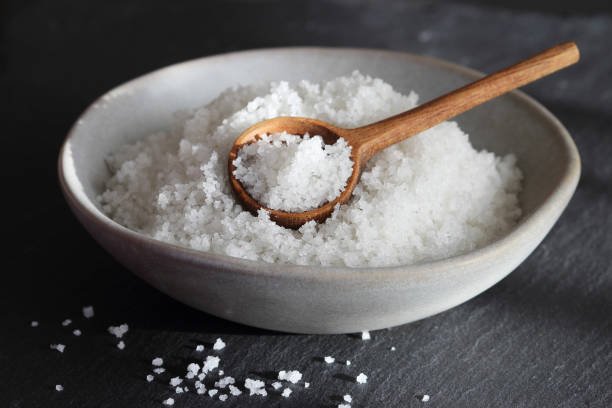
Rock Salt, also known as mineral or halite, is a naturally occurring crystalline mineral composed primarily of sodium chloride (NaCl). It forms through the evaporation of seawater or saline lakes over thousands of years. Unlike refined table salt, rock salt is coarse, unprocessed, and often used in various industrial, culinary, and medicinal applications.

What Is the Composition of Rock Salt?

The main component of rock salt is sodium chloride (NaCl). It contains large crystals of salt along with trace minerals like calcium, magnesium, and potassium, depending on its source. These minerals can give rock salt a slightly different color and mineral content compared to processed table salt.

Where Can You Find Rock Salt?

Rock salt deposits are found in many parts of the world, including underground salt mines and salt flats. Countries like the USA, India, China, and Germany are major producers. It is mined extensively for industrial use, de-icing roads in winter, and sometimes for culinary purposes.

What Are the Uses of Rock Salt?

Rock salt has a wide range of applications:

  • Industrial: Used in the manufacture of chemicals, textiles, and glass.
  • De-icing: Spread on roads and walkways during winter to melt ice.
  • Culinary: Used in salt grinders, for seasoning, and in salt caves for therapy.
  • Medicinal: Used in salt therapy rooms and for some traditional treatments.
  • Preservation: Used for curing meats and preserving foods.

How Does Rock Salt Work?

In industrial and de-icing applications, rock salt works by lowering the freezing point of water, effectively melting ice and snow. When used in cooking or salt caves, its coarse texture and mineral content provide unique flavor and health benefits. Its ability to draw moisture and inhibit bacterial growth makes it an effective preservative.

How Important Is Rock Salt?

Rock salt is crucial in many industries and environmental applications. It helps keep roads safe in winter, supports chemical manufacturing, and is valued in holistic health practices like salt therapy. Its natural mineral content also offers potential health benefits in alternative medicine.

What Happens if You Use Too Little or Too Much Rock Salt?

Using too little rock salt in cooking or preservation might result in bland flavors or spoiled foods. Overuse, especially in de-icing or industrial settings, can cause environmental harm and health issues due to excessive mineral intake or runoff.

Why Do Rock Salt Deficiencies Occur?

Rock salt deficiency is rare since it is abundant in nature. However, in specific health treatments like salt therapy, inadequate exposure to salt caves or mineral-rich environments might limit benefits.

What Are the Signs of Too Little or Too Much Rock Salt?

Deficiency signs include muscle cramps or dehydration, while excessive intake can lead to high blood pressure, kidney strain, or other health problems. In environmental contexts, overuse during de-icing can cause water and soil contamination.

Is Rock Salt a Natural Ingredient?

Yes, rock salt is a natural mineral formed over millions of years and is mined directly from the earth. It undergoes minimal processing compared to refined table salt.

Is Rock Salt Healthy?

In moderation, rock salt can provide essential minerals and support respiratory health when used in salt therapy. However, excessive consumption can be harmful, especially for individuals with hypertension or kidney issues.

Is Rock Salt Harmful?

Excessive intake or improper use of rock salt can be harmful, leading to health problems like high blood pressure. Environmental overuse, such as in de-icing, can also cause ecological harm.

Does Rock Salt Help in Weight Loss?

There is limited scientific evidence to suggest that rock salt directly aids in weight loss. However, some believe that salt therapy and mineral-rich environments can improve overall well-being, which might support weight management indirectly.

Conclusion

Rock salt is a versatile, natural mineral with significant industrial, medicinal, and culinary uses. Its mineral content and natural formation make it unique. While beneficial when used properly, overuse or misuse can pose health and environmental risks. Responsible consumption and application are essential for harnessing its benefits safely.
Leave a Comment

Your email address will not be published. Required fields are marked *

Scroll to Top