What Are Grains and Pulses?
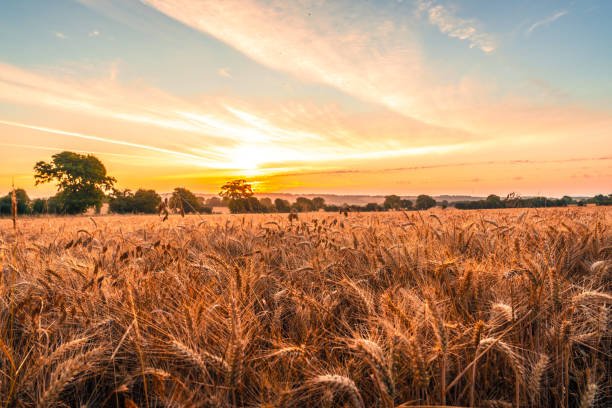
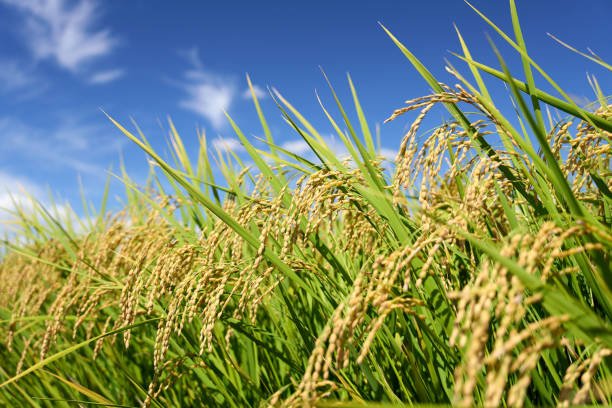
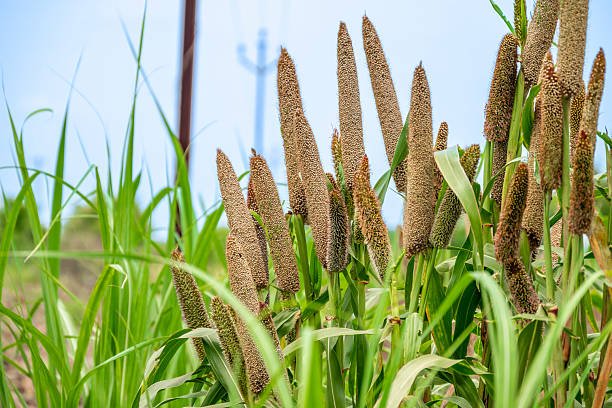
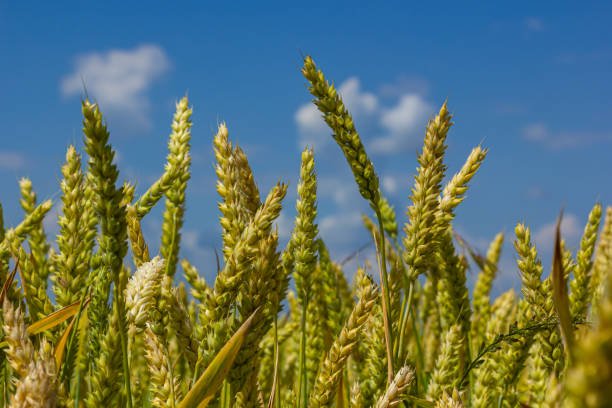
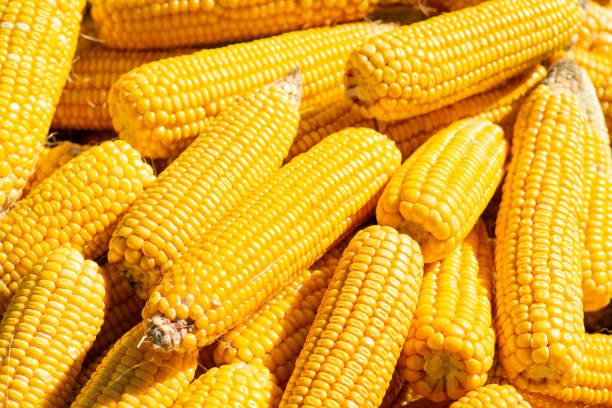
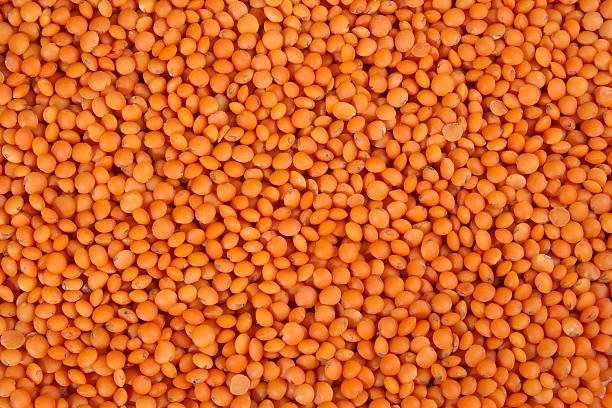
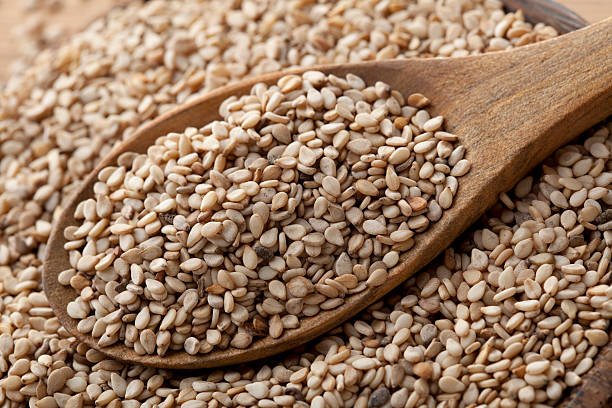
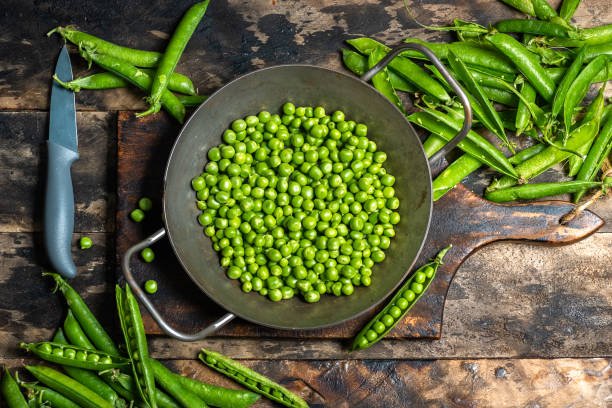
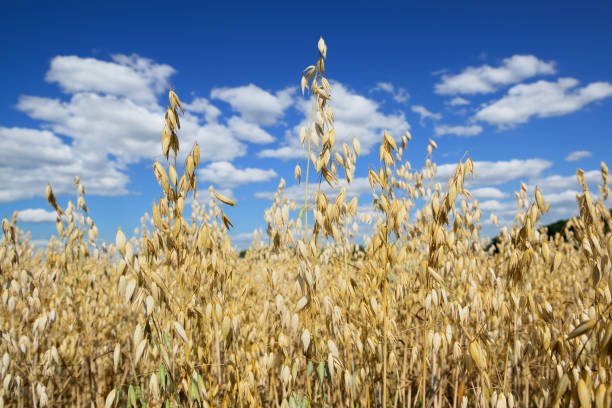
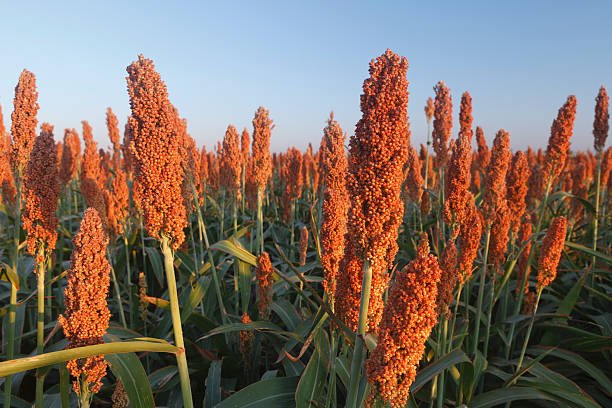
Grains are the edible seeds of cereal plants such as wheat, rice, maize, oats, barley, and millet. They are rich sources of carbohydrates, providing energy for daily activities. Pulses, on the other hand, are the dried seeds of leguminous plants, including lentils, chickpeas, beans, and peas. They are excellent sources of plant-based protein, fiber, vitamins, and minerals.
What Are Grains and Pulses?
Grains are the edible seeds of cereal plants such as wheat, rice, maize, oats, barley, and millet. They are rich sources of carbohydrates, providing energy for daily activities. Pulses, on the other hand, are the dried seeds of leguminous plants, including lentils, chickpeas, beans, and peas. They are excellent sources of plant-based protein, fiber, vitamins, and minerals.
Nutritional Powerhouses
Grains, especially whole grains, contain complex carbohydrates, dietary fiber, B-vitamins, iron, magnesium, and selenium. These nutrients are vital for energy production, digestion, and immune function. Pulses are rich in protein, dietary fiber, folate, iron, potassium, and antioxidants. They support muscle growth, help regulate blood sugar levels, and promote digestive health.
Health Benefits of Grains and Pulses
- Rich Source of Energy:
The high carbohydrate content in grains makes them an excellent source of energy. They are particularly beneficial for active individuals and athletes who require sustained energy throughout the day.
- Supports Digestive Health:
The dietary fiber found in whole grains and pulses promotes healthy digestion by adding bulk to stool and preventing constipation. Fiber also feeds beneficial gut bacteria, improving overall gut health.
- Helps in Weight Management:
The fiber and complex carbs in grains and pulses increase satiety, reducing hunger and helping control calorie intake. This makes them ideal for weight management.
- Reduces Risk of Chronic Diseases:
Regular consumption of whole grains and pulses has been linked to a lower risk of cardiovascular diseases, type 2 diabetes, and certain cancers. Their anti-inflammatory properties help reduce inflammation markers in the body.
- Supports Heart Health:
The soluble fiber in oats, barley, and beans helps lower bad cholesterol (LDL) levels, thereby reducing the risk of heart disease. Pulses also contain potassium, which helps regulate blood pressure.
- Provides Essential Nutrients:
Grains and pulses are rich in essential vitamins and minerals, including B-vitamins, iron, magnesium, and zinc, which are vital for maintaining energy, neurological health, and immune function.
- Plant-Based Protein:
For vegetarians and vegans, pulses are an excellent source of complete plant-based protein, supporting muscle growth and repair.
Incorporating Grains and Pulses into Your Diet
To reap their health benefits, it’s best to choose whole grains over refined grains. Whole grains retain their natural fiber and nutrients. Include brown rice, whole wheat bread, oats, barley, and millet in your meals. Add lentils, chickpeas, kidney beans, or peas to salads, soups, and stews. Experimenting with different grains and pulses can make your diet diverse and nutritious.
Conclusion
Grains and pulses are vital components of a balanced diet, offering numerous health benefits that support energy, digestion, heart health, and disease prevention. Their versatility makes them easy to incorporate into daily meals. Making whole grains and pulses a staple part of your diet can lead to a healthier, more vibrant life.