
Omega-6 Deficiency Signs & How to Detect It
 Facebook
Twitter
LinkedIn
Facebook
Twitter
LinkedIn
What is Omega-6?
Omega-6 fatty acids are essential polyunsaturated fats that our bodies need for optimal health. These fats play a crucial role in brain function, stimulating growth, and maintaining skin and hair health. Like Omega-3, Omega-6 cannot be produced naturally by the body, so we must obtain them through our diet. They are vital for producing signaling molecules called eicosanoids, which regulate inflammation, blood clotting, and other important physiological processes.
What are the Main Sources of Omega-6?
Omega-6 fatty acids are predominantly found in plant-based oils like sunflower oil, corn oil, soybean oil, and cottonseed oil. They are also present in nuts, seeds, and certain processed foods made with these oils. Additionally, some meats and eggs contain small amounts of Omega-6. Using vegetable oils in cooking and adding nuts and seeds to your diet are excellent ways to ensure adequate intake.
How Can I Know If My Body Has Low or High Omega-6 Levels?
Symptoms of Omega-6 deficiency include dry skin, poor wound healing, hair loss, and susceptibility to infections. Conversely, excessive intake can lead to increased inflammation, which is linked to chronic diseases like heart disease and arthritis. Blood tests can measure fatty acid profiles to determine your Omega-6 levels accurately. Monitoring your diet and noticing physical symptoms can also provide clues.
What Problems Arise from Omega-6 Deficiency?
A deficiency in Omega-6 can impair skin health, slow wound healing, and weaken the immune system. Since Omega-6 fatty acids are vital for cell membrane integrity and inflammatory responses, their deficiency might also lead to growth issues and poor neurological development, especially in children. Ensuring adequate intake is essential for overall health and proper bodily functions.
Which Foods Are Richest in Omega-6?
Foods high in Omega-6 include sunflower oil, soybean oil, corn oil, cottonseed oil, walnuts, sunflower seeds, and pumpkin seeds. Many processed snack foods and baked goods also contain these oils. Incorporating these foods into your daily diet can help you meet your Omega-6 requirements naturally.
How Can I Incorporate Omega-6 Into My Diet?
Start by cooking with healthy vegetable oils like sunflower or soybean oil. Add nuts and seeds such as walnuts, pumpkin seeds, or sunflower seeds to your salads, cereals, or snacks. Using processed foods made with Omega-6-rich oils can also boost your intake. Balance is key—aim to include Omega-6 sources alongside Omega-3-rich foods for optimal health.
Is Omega-6 Only Found in Oils or Fats?
While Omega-6 is most abundant in oils and fats, it is also present in nuts, seeds, and certain animal products like eggs and meat. However, the majority of dietary Omega-6 comes from plant-based oils used in cooking and processed foods. It is important to consume these fats in moderation for a balanced intake.
What Are the Risks of Consuming Too Much Omega-6?
Excessive Omega-6 intake can promote inflammation, which is linked to chronic diseases such as heart disease, arthritis, and certain cancers. It can also disturb the balance between Omega-6 and Omega-3 fatty acids, leading to a pro-inflammatory state. Overconsumption from processed foods and fried items is a common cause of high Omega-6 levels, so moderation is essential.
Where Can I Find the Best Sources of Omega-6?
The best sources include natural oils like sunflower, corn, soybean, and cottonseed oil. Nuts like walnuts and seeds such as sunflower and pumpkin seeds are also excellent. Choosing minimally processed foods and cooking with healthier oils can help you access these essential fats reliably.
What Is the Difference Between Omega-6 and Omega-3?
Both are polyunsaturated fats but serve different roles. Omega-3 fatty acids are anti-inflammatory and support brain and heart health, while Omega-6 fatty acids tend to promote inflammation, which is necessary in small amounts for immune responses and healing. An imbalance—too much Omega-6 relative to Omega-3—can lead to chronic inflammation and health issues.
What Are the Long-Term Effects of Omega-6 Deficiency or Excess?
Insufficient Omega-6 can impair skin health, immune function, and growth, especially in children. On the other hand, excess Omega-6 can lead to increased inflammation, raising the risk of heart disease, arthritis, and other chronic illnesses. Maintaining a balanced intake is crucial for overall health and disease prevention.
Does Omega-6 Work with Other Nutrients?
Yes, Omega-6 works synergistically with other nutrients like Vitamin E, which protects fatty acids from oxidation, and Omega-3, which balances inflammation. Consuming a balanced ratio of Omega-6 and Omega-3, along with antioxidants and vitamins, enhances overall health and reduces inflammation.
How Can I Naturally Increase My Omega-6 Levels?
Eat foods rich in Omega-6 such as sunflower seeds, walnuts, and foods cooked with healthy vegetable oils like sunflower or soybean oil. Incorporate nuts, seeds, and certain processed foods made with these oils into your diet regularly. Balance is key—pairing Omega-6 sources with Omega-3-rich foods helps maintain optimal health.
Conclusion
Omega-6 fatty acids are essential for numerous vital functions, including cell growth, immune response, and inflammation regulation. While they are beneficial, consuming them in moderation and balancing them with Omega-3 is vital to avoid chronic inflammation and related health issues. Incorporate natural sources like nuts, seeds, and vegetable oils into your diet carefully to enjoy the benefits of Omega-6 without adverse effects.
FAQs:(Frequently Asked Questions)
Are there any alternatives to Omega-6?
Omega-6 is an essential nutrient; there are no substitutes for it. However, balancing Omega-6 intake with Omega-3 is crucial. You can get Omega-6 from plant oils, nuts, and seeds, which are natural options.
How can I check my Omega-6 levels?
A blood test called the fatty acid profile or Omega-6 Index measures the levels of Omega-6 in your blood. Consult your healthcare provider to get tested and receive personalized advice on maintaining a healthy balance.
Omega-6 is an essential nutrient; there are no substitutes for it. However, balancing Omega-6 intake with Omega-3 is crucial. You can get Omega-6 from plant oils, nuts, and seeds, which are natural options.
A blood test called the fatty acid profile or Omega-6 Index measures the levels of Omega-6 in your blood. Consult your healthcare provider to get tested and receive personalized advice on maintaining a healthy balance.
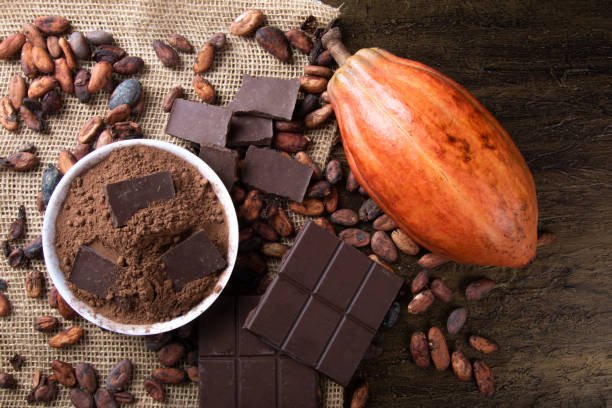
Cocoa Powder

Emulsifier

Stabilizer
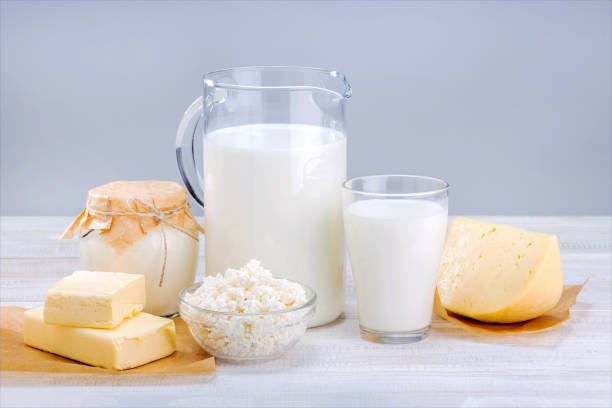
Lactose

Calcium

Zinc

Potassium

Phosphorus

Magnesium

Sulfur
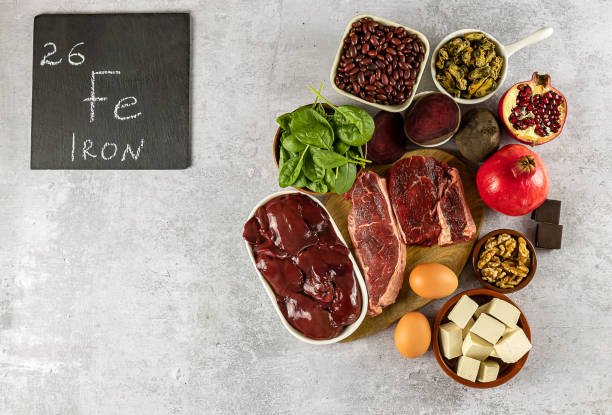
Iron

Copper
Related

Energy
Daily energy requirements vary based on age, gender

Protein
Protein is crucial because it supports muscle growth,

Saturated Fat
When you consume saturated fat, your body breaks

Trans Fat
When consumed, trans fats raise levels of bad cholesterol
Sodium
Sodium plays a crucial role in maintaining proper hydration,

Guanylate
In the human body, Guanylate plays a crucial role in energy
Learn More

Fat
Fat plays several crucial roles in maintaining health

Inosinate
Inosinate is widely used as a flavor enhancer to boost
Guanylate
In the human body, Guanylate plays a crucial role in energy

Fiber
Fiber plays a crucial role in supporting digestive health

Salt
Salt, scientifically known as sodium chloride
Vegetable Fat
Vegetable fat refers to fats and oils derived from plant sources.
Jaggery & Health: Is It Better Than Sugar?
 Facebook
Twitter
LinkedIn
Facebook
Twitter
LinkedIn
What Is Jaggery?
Jaggery, also known as “Gur” in many regions, is a traditional natural sweetener made by boiling and concentrating sugarcane juice or palm sap. It is unrefined, retaining natural minerals and nutrients, and has a rich, caramel-like flavor. Jaggery is widely used in various culinary dishes, desserts, and medicinal preparations due to its wholesome qualities.
What Are the Ingredients of Jaggery?
The main ingredients of Jaggery are pure sugarcane juice or palm sap, which is boiled down without refining or chemical processing. It contains natural sugars along with trace minerals like iron, calcium, magnesium, and potassium, which are preserved during the traditional processing.
Where Can You Find Jaggery?
Jaggery is commonly available in grocery stores, markets, organic shops, and online platforms worldwide. It is sold in blocks, cubes, or powders, and is often packaged in eco-friendly wrappers or containers. It is especially popular in countries like India, Bangladesh, Sri Lanka, and other tropical regions.
What Are the Uses of Jaggery?
Jaggery has a wide array of applications:
- Culinary: Used in sweets, desserts, beverages like tea and health drinks, and savory dishes.
- Medicinal: Consumed to boost immunity, improve digestion, and detoxify the body.
- Health Remedies: Used in cough syrups, herbal teas, and traditional medicines.
- Household: Acts as a natural cleaner and is sometimes used in skincare routines.
How Does Jaggery Work?
Jaggery works by providing natural sugars that serve as quick energy sources. Its mineral content supports various bodily functions, including blood purification, digestion, and boosting immunity. When consumed, it helps stimulate digestive enzymes and aids in detoxification processes, thanks to its rich nutrient profile.
How Healthy Is Jaggery?
Jaggery is considered healthier than refined sugar because it retains natural minerals and nutrients. It provides essential minerals like iron, which can help combat anemia, and supports digestion and detoxification. However, it is still a form of sugar and should be consumed in moderation to avoid health issues like weight gain and blood sugar spikes.
What Happens if You Use Too Little or Too Much Jaggery?
Using too little Jaggery may result in missing out on its nutritional benefits and natural sweetness. Overuse can lead to excessive calorie intake, increased blood sugar levels, and potential weight gain. Moderation is key to enjoying its benefits without adverse effects.
What Causes a Deficiency of Jaggery?
A deficiency in Jaggery itself is rare; more often, people may have low iron or mineral levels due to poor diet. If someone avoids all natural sweeteners or consumes excessive refined sugar, they might miss out on the nutritional benefits Jaggery offers.
What Are the Signs of Too Little or Too Much Jaggery?
Low intake may cause symptoms of mineral deficiency like fatigue, weakness, or anemia. Overconsumption can lead to high blood sugar, weight gain, and dental problems. It’s important to balance its intake with overall dietary habits.
Is Jaggery a Natural Ingredient?
Yes, Jaggery is a natural, minimally processed sweetener made from sugarcane juice or palm sap. It is unrefined and retains many of its natural minerals, making it a wholesome addition to a healthy diet.
Does Jaggery Help in Weight Loss?
No, Jaggery does not directly help in weight loss. Despite its health benefits, it is still a sugar and should be used in moderation. Excessive intake can contribute to weight gain.
Conclusion
Jaggery is a wholesome, natural sweetener packed with essential minerals and nutrients. Its traditional use in cooking and medicine makes it a valuable addition to a balanced diet. While it offers health benefits over refined sugar, moderation is vital to maximize its advantages and maintain overall health.
FAQs:(Frequently Asked Questions)
Is Jaggery Harmful for Diabetes?
Consuming Jaggery can raise blood sugar levels, so it is not recommended for diabetics in large amounts. However, in small, controlled quantities, it may be used cautiously under medical supervision.
Are There Alternatives to Jaggery?
Yes, alternatives include honey, maple syrup, coconut sugar, and artificial sweeteners. Each alternative has different health profiles and suitability depending on dietary needs.
Consuming Jaggery can raise blood sugar levels, so it is not recommended for diabetics in large amounts. However, in small, controlled quantities, it may be used cautiously under medical supervision.
Yes, alternatives include honey, maple syrup, coconut sugar, and artificial sweeteners. Each alternative has different health profiles and suitability depending on dietary needs.
Cocoa Powder
Emulsifier
Stabilizer
Lactose
Calcium
Zinc
Potassium
Phosphorus
Magnesium
Related
Energy
Daily energy requirements vary based on age, gender
Protein
Protein is crucial because it supports muscle growth,
Saturated Fat
When you consume saturated fat, your body breaks
Trans Fat
When consumed, trans fats raise levels of bad cholesterol
Sodium
Sodium plays a crucial role in maintaining proper hydration,