Vitamin B6 & How It Works: Powering Cellular Energy
What Is Vitamin B6 (Pyridoxine)?
Vitamin B6, also known as Pyridoxine, is an essential water-soluble vitamin that plays a vital role in various metabolic processes. It is crucial for amino acid metabolism, neurotransmitter synthesis, hemoglobin production, and immune function. As an important component of the B-vitamin complex, Vitamin B6 helps convert food into energy and supports overall brain health. Since it dissolves in water, excess amounts are excreted via urine, so regular intake through diet or supplements is necessary for maintaining optimal health.
What Kind of Solubility Does Vitamin B6 Have?
Vitamin B6 (Pyridoxine) is water-soluble. This means it dissolves readily in water, allowing the body to absorb it efficiently. Because it is water-soluble, the body does not store large quantities of it, emphasizing the importance of consuming it regularly through foods or supplements.
What Are the Sources of Vitamin B6?
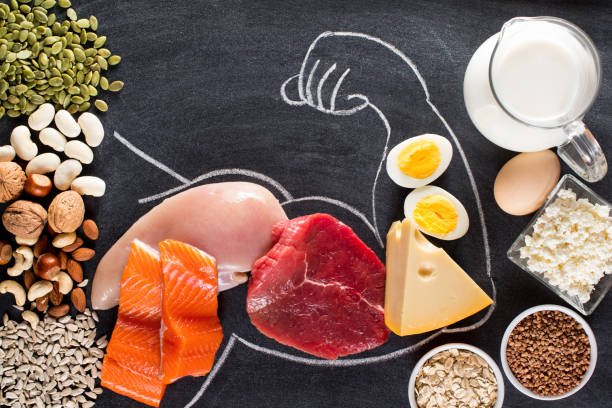
Vitamin B6 is found abundantly in a variety of foods, including:
- Poultry like chicken and turkey
- Fish such as salmon and tuna
- Whole grains and fortified cereals
- Bananas
- Potatoes and sweet potatoes
- Spinach and other leafy greens
- Nuts and seeds
- Legumes like chickpeas and lentils
Eating a balanced diet that includes these foods helps prevent deficiency and supports overall metabolic health.
What Are the Components or Types of Vitamin B6?
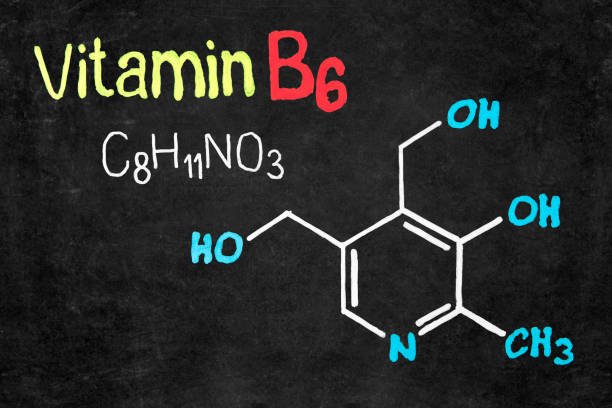
Vitamin B6 exists mainly in three chemical forms:
- Pyridoxine (the most common form in supplements)
- Pyridoxal
- Pyridoxamine
These forms are interconvertible in the body and play roles in amino acid metabolism and other biochemical reactions.
What Are the Uses of Vitamin B6?
Vitamin B6 supports:
- Protein metabolism and amino acid synthesis
- Neurotransmitter production (serotonin, dopamine)
- Hemoglobin synthesis for healthy blood cells
- Immune system function
- Brain health and cognitive function
- Reducing morning sickness during pregnancy
How Does Vitamin B6 Work?
Vitamin B6 works as a coenzyme in over 100 enzymatic reactions involved in amino acid metabolism, neurotransmitter synthesis, and gluconeogenesis. It helps convert amino acids into neurotransmitters like serotonin and dopamine, which regulate mood, sleep, and mental focus. Additionally, B6 is vital for hemoglobin production, helping carry oxygen in the blood. It also supports immune health by assisting in the production of antibodies.
How Healthy Is Vitamin B6?
Vitamin B6 is highly beneficial for overall health. It promotes brain function, enhances mood, supports immune health, and helps prevent anemia. Adequate levels of B6 can reduce inflammation and boost energy levels. However, excessive intake from supplements can cause side effects, so moderation is key.
What Happens if You Consume Too Little or Too Much Vitamin B6?
- Too Little (Deficiency): Symptoms include irritability, depression, confusion, skin rashes, cracked lips, anemia, and nerve tingling or numbness. Severe deficiency can lead to neurological problems.
- Too Much (Toxicity): Excessive intake, mainly from supplements, can cause nerve damage, numbness, difficulty walking, and skin lesions. These symptoms are usually reversible upon stopping high doses.
What Causes a Deficiency of Vitamin B6?
Deficiency may result from poor diet, malabsorption syndromes, alcohol dependence, certain medications (like isoniazid or penicillamine), or medical conditions affecting nutrient absorption.
What Are the Signs of Too Little or Too Much Vitamin B6?
- Too Little: Fatigue, irritability, depression, skin rashes, nerve numbness, and anemia.
- Too Much: Numbness, tingling sensations, loss of coordination, and skin lesions.
Is Vitamin B6 a Natural Ingredient?
Yes, Vitamin B6 naturally occurs in many foods and can also be synthesized for supplements. It is an essential nutrient that must be obtained through diet or supplementation.
Does Vitamin B6 Help in Weight Gain?
Vitamin B6 supports metabolism and energy production but does not directly cause weight gain. Maintaining adequate B6 levels ensures proper bodily functions, which can contribute to overall health and vitality.
Conclusion
Vitamin B6 (Pyridoxine) is an essential nutrient that supports amino acid metabolism, neurotransmitter synthesis, immune function, and overall brain health. Consuming a balanced diet rich in B6-containing foods helps prevent deficiency and promotes overall well-being. While deficiency can cause neurological and skin issues, excess intake from supplements may lead to nerve damage. Maintaining optimal B6 levels is vital for a healthy, balanced life.
FAQs:(Frequently Asked Questions)
Are There Alternatives to Vitamin B6?
Yes, other B-vitamins and nutrients support similar functions, but no direct substitute replaces Vitamin B6’s specific roles. A balanced diet ensures sufficient intake.
Does Vitamin B6 Help in Weight Gain?
Vitamin B6 helps optimize metabolism and energy levels but does not directly cause weight gain. Proper nutrition and lifestyle are essential for healthy weight management.
Related
Learn More
Calcium & Sources: How to Boost Your Daily Intake
What Is Calcium?
Calcium is a vital mineral essential for maintaining strong bones and teeth, supporting nerve function, muscle contraction, and blood clotting. It is the most abundant mineral in the human body, making up about 1.5% of total body weight. Without adequate calcium, our body cannot perform these critical functions properly.
What Is Calcium Made Of?
Calcium is a chemical element with the symbol Ca and atomic number 20. In the human body, it exists in the form of calcium salts within bones and teeth, providing structure and strength. It also circulates in the bloodstream, participating in various physiological processes.
Where Is Calcium Found?
Calcium is naturally found in many foods, especially dairy products like milk, cheese, and yogurt. It is also present in leafy green vegetables (like spinach and kale), almonds, sesame seeds, fish (like salmon and sardines), and fortified foods such as cereals and plant-based milk. Additionally, calcium supplements are available for those who need extra intake.
Does Calcium Make Our Bones and Teeth Strong?
Absolutely! Calcium is the primary building block of bones and teeth. About 99% of the body’s calcium is stored in these structures, giving them strength and density. Adequate calcium intake during childhood, adolescence, and early adulthood is crucial for developing a strong skeletal system.
How Important Is Calcium?
Calcium is extremely important for overall health. It supports bone density, prevents osteoporosis, helps in muscle function, facilitates nerve signal transmission, and is vital for blood clotting. Maintaining optimal calcium levels is essential for both children and adults to prevent health issues.
What Happens If Calcium Is Deficient?
A deficiency in calcium can lead to weakened bones, increased risk of fractures, and conditions like osteoporosis. In children, calcium deficiency can impair growth and development. Symptoms like muscle cramps, numbness, and abnormal heart rhythms may also appear with severe deficiency.
What Are the Signs of Too Little or Too Much Calcium?
Low calcium symptoms include muscle cramps, tingling in fingers, fatigue, and brittle bones. Excess calcium, often from supplements, can cause kidney stones, constipation, and interfere with the absorption of other minerals. It may also lead to abnormal heart rhythms.
How Can You Fill the Calcium Gap?
To address calcium deficiency, include calcium-rich foods in your diet, such as dairy, leafy greens, and fortified products. Supplements can be taken if recommended by a healthcare provider. Additionally, vitamin D helps calcium absorption, so ensure adequate sunlight exposure or supplements if needed.
How Is Calcium Made or Produced?
Calcium is a naturally occurring mineral obtained from rocks and minerals like limestone, which is processed to produce calcium carbonate and other supplements used in food fortification and medicine.
Is Calcium a Natural Ingredient?
Yes, calcium is a naturally occurring mineral found in the earth’s crust and in many foods. It has been part of the human diet for thousands of years, primarily through dairy and plant-based sources.
Is Calcium Suitable for All Ages?
Yes! Calcium is essential for all age groups. Children need it for growth, teenagers for bone development, adults for maintaining bone density, and older adults to prevent osteoporosis. Adequate calcium intake benefits everyone.
Is Calcium Beneficial for Children?
Absolutely! Calcium is crucial for children’s growth, bone development, and overall health. Adequate calcium intake during childhood and adolescence builds a strong skeletal foundation for lifelong health.
Conclusion
Calcium is an indispensable mineral vital for maintaining healthy bones, teeth, and overall bodily functions. Ensuring sufficient calcium intake through diet or supplements, along with vitamin D, helps prevent deficiency-related health issues like osteoporosis and supports growth and development at every age.
FAQs:(Frequently Asked Questions)
Is Calcium Harmful for Diabetes?
Calcium itself is not harmful for diabetics and may even support overall health. However, excessive calcium intake from supplements should be avoided, as it can cause other health issues. Always consult a healthcare provider for personalized advice.
Are There Alternatives to Calcium?
Yes, plant-based sources like kale, broccoli, almonds, and fortified plant milks are good alternatives. Vitamin D also plays a critical role in calcium absorption, so maintaining optimal vitamin D levels is essential.
Does Calcium Help in Weight Loss?
Calcium alone does not directly cause weight loss. However, some studies suggest that adequate calcium intake may help regulate appetite and fat metabolism, supporting a healthy weight when combined with proper diet and exercise.