Search
Close this search box.

Icing Sugar & Excess: What You Need To Know

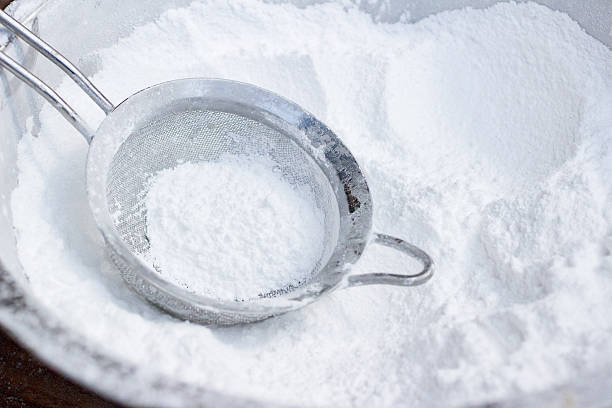
A bowl of fine white icing sugar with a spoon, ready for decorating desserts.
Facebook
Twitter
LinkedIn

What Is Icing Sugar?

Icing Sugar, also known as powdered sugar or confectioners’ sugar, is a finely ground form of sugar mixed with a small amount of cornstarch or anti-caking agent. It has a silky, powdery texture that dissolves quickly, making it ideal for icing, frosting, and sweetening desserts. Its smooth consistency helps create a glossy, smooth finish on baked goods and confections.

What Are the Ingredients of Icing Sugar?

The primary ingredient of Icing Sugar is finely powdered granulated sugar. To prevent clumping, it often contains a small amount of cornstarch (about 3-5%), which acts as an anti-caking agent. Some premium varieties may contain additional flavorings or natural additives, but the basic composition remains sugar and cornstarch.

Where Can You Find Icing Sugar?

Icing Sugar is widely available in supermarkets, grocery stores, baking supply shops, and online stores around the world. It is usually sold in small packets or bulk containers, making it accessible for home bakers and professional chefs alike.

What Are the Uses of Icing Sugar?

Icing Sugar is an essential ingredient in many culinary applications:

  • Making Frostings and Icing: Used to create smooth, glossy toppings for cakes, cupcakes, and pastries.
  • Decorative Dusting: Sprinkled over baked goods for a sweet, attractive finish.
  • Sweetening Beverages: Used in tea, coffee, and milkshakes for a fine, quick-dissolving sweetness.
  • Confectionery: Used in making fondant, marzipan, and other sweet decorations.
  • Baking: Incorporated into doughs and batters for a fine, tender crumb.

How Does Icing Sugar Work?

Icing Sugar dissolves rapidly due to its fine powdery texture, which helps it blend seamlessly into frostings and toppings. Its small particle size creates a smooth, shiny surface on desserts. When mixed with liquids or fats, it forms a creamy consistency, perfect for decorating or filling baked goods.

How Healthy Is Icing Sugar?

Icing Sugar, like other refined sugars, provides quick energy but lacks nutritional value. Excessive consumption can contribute to weight gain, dental cavities, and increased risk of chronic diseases like diabetes. It should be used in moderation, especially for those with health concerns.

What Happens if You Use Too Little or Too Much Icing Sugar?

Using too little Icing Sugar may result in thin, runny frostings or decorations that lack sweetness and structure. Overuse can make desserts overly sweet, thick, or hard to incorporate, and can also increase calorie intake. Balance is key to achieving the perfect texture and flavor.

What Causes a Deficiency of Icing Sugar?

A deficiency in Icing Sugar is uncommon; it is mainly a matter of dietary intake. If someone avoids all forms of sugar, they might miss out on sweetening options, but this is more about dietary choices than nutritional deficiency.

What Are the Signs of Too Little or Too Much Icing Sugar?

Too little can lead to frostings that are thin, runny, or lack glossiness. Too much can cause overly sweet, thick, or pasty textures, and may contribute to health issues if consumed excessively over time.

Is Icing Sugar a Natural Ingredient?

Icing Sugar is a refined product made from natural sugarcane or sugar beet. It is processed into a fine powder, often with added cornstarch to prevent clumping. While derived from natural sources, the processing reduces its nutritional content.

Does Icing Sugar Help in Weight Loss?

No, Icing Sugar does not aid in weight loss. It is a high-calorie sweetener with little to no nutritional benefits. Consuming it excessively can hinder weight management efforts.

Conclusion

Icing Sugar is an essential ingredient in baking and decorating, offering a smooth, glossy finish to desserts. While it enhances the visual appeal and sweetness of many treats, moderation is crucial due to its high sugar content. When used wisely, it adds that perfect finishing touch to your culinary creations.

FAQs:(Frequently Asked Questions)

Is Icing Sugar Harmful for Diabetes?

Excessive consumption of Icing Sugar can cause blood sugar spikes, making it unsuitable for diabetics. People with diabetes should limit its intake and opt for healthier sweetening alternatives.

Yes, options include natural sweeteners like honey, maple syrup, or coconut sugar. For decorating, some prefer using freeze-dried fruit powders or natural colorings to avoid refined sugar.

Rock Salt & Benefits: Why It’s a Natural Treasure

A large chunk of natural rock salt with visible crystalline structure on a wooden surface.
Facebook
Twitter
LinkedIn

What Is Rock Salt?

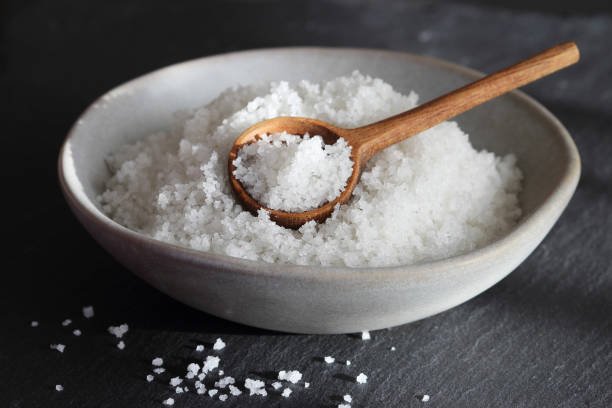
Rock Salt, also known as mineral or halite, is a naturally occurring crystalline mineral composed primarily of sodium chloride (NaCl). It forms through the evaporation of seawater or saline lakes over thousands of years. Unlike refined table salt, rock salt is coarse, unprocessed, and often used in various industrial, culinary, and medicinal applications.

What Is the Composition of Rock Salt?

The main component of rock salt is sodium chloride (NaCl). It contains large crystals of salt along with trace minerals like calcium, magnesium, and potassium, depending on its source. These minerals can give rock salt a slightly different color and mineral content compared to processed table salt.

Where Can You Find Rock Salt?

Rock salt deposits are found in many parts of the world, including underground salt mines and salt flats. Countries like the USA, India, China, and Germany are major producers. It is mined extensively for industrial use, de-icing roads in winter, and sometimes for culinary purposes.

What Are the Uses of Rock Salt?

Rock salt has a wide range of applications:

  • Industrial: Used in the manufacture of chemicals, textiles, and glass.
  • De-icing: Spread on roads and walkways during winter to melt ice.
  • Culinary: Used in salt grinders, for seasoning, and in salt caves for therapy.
  • Medicinal: Used in salt therapy rooms and for some traditional treatments.
  • Preservation: Used for curing meats and preserving foods.

How Does Rock Salt Work?

In industrial and de-icing applications, rock salt works by lowering the freezing point of water, effectively melting ice and snow. When used in cooking or salt caves, its coarse texture and mineral content provide unique flavor and health benefits. Its ability to draw moisture and inhibit bacterial growth makes it an effective preservative.

How Important Is Rock Salt?

Rock salt is crucial in many industries and environmental applications. It helps keep roads safe in winter, supports chemical manufacturing, and is valued in holistic health practices like salt therapy. Its natural mineral content also offers potential health benefits in alternative medicine.

What Happens if You Use Too Little or Too Much Rock Salt?

Using too little rock salt in cooking or preservation might result in bland flavors or spoiled foods. Overuse, especially in de-icing or industrial settings, can cause environmental harm and health issues due to excessive mineral intake or runoff.

Why Do Rock Salt Deficiencies Occur?

Rock salt deficiency is rare since it is abundant in nature. However, in specific health treatments like salt therapy, inadequate exposure to salt caves or mineral-rich environments might limit benefits.

What Are the Signs of Too Little or Too Much Rock Salt?

Deficiency signs include muscle cramps or dehydration, while excessive intake can lead to high blood pressure, kidney strain, or other health problems. In environmental contexts, overuse during de-icing can cause water and soil contamination.

Is Rock Salt a Natural Ingredient?

Yes, rock salt is a natural mineral formed over millions of years and is mined directly from the earth. It undergoes minimal processing compared to refined table salt.

Is Rock Salt Healthy?

In moderation, rock salt can provide essential minerals and support respiratory health when used in salt therapy. However, excessive consumption can be harmful, especially for individuals with hypertension or kidney issues.

Is Rock Salt Harmful?

Excessive intake or improper use of rock salt can be harmful, leading to health problems like high blood pressure. Environmental overuse, such as in de-icing, can also cause ecological harm.

Does Rock Salt Help in Weight Loss?

There is limited scientific evidence to suggest that rock salt directly aids in weight loss. However, some believe that salt therapy and mineral-rich environments can improve overall well-being, which might support weight management indirectly.

Conclusion

Rock salt is a versatile, natural mineral with significant industrial, medicinal, and culinary uses. Its mineral content and natural formation make it unique. While beneficial when used properly, overuse or misuse can pose health and environmental risks. Responsible consumption and application are essential for harnessing its benefits safely.
Leave a Comment

Your email address will not be published. Required fields are marked *

Scroll to Top