Baking Powder & Recipes: When & How to Use It
What Is Baking Powder?
Baking powder is a leavening agent widely used in baking to help baked goods rise. It is a dry chemical mixture that produces carbon dioxide gas when it reacts with moisture and heat, creating bubbles that make dough and batter fluffy and light. This results in soft, airy bread, cakes, muffins, and cookies.
What Is Baking Powder Made Of?
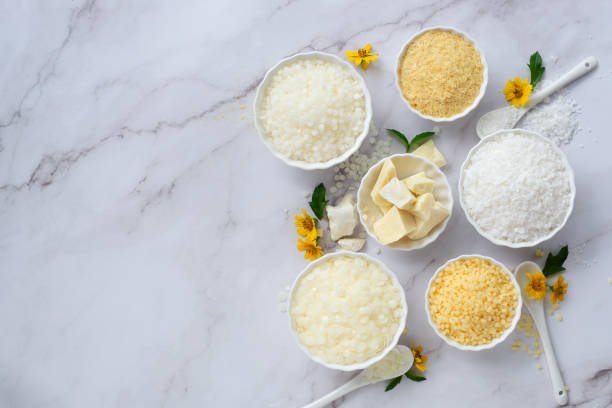
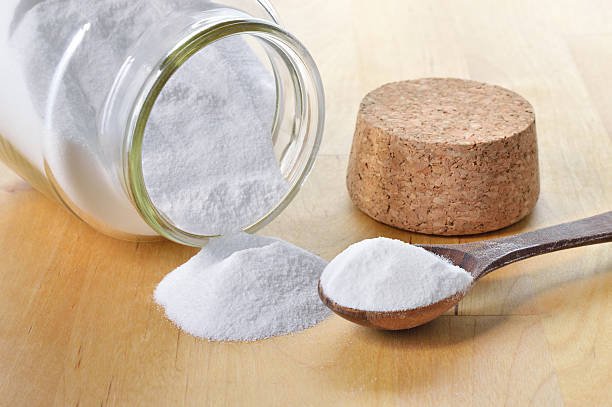
Baking powder typically contains a combination of baking soda (sodium bicarbonate), an acid salt (such as cream of tartar or sodium aluminum sulfate), and a moisture absorber like cornstarch. These ingredients work together to produce carbon dioxide gas when activated.
Where Is Baking Powder Found?
Baking powder is available in almost every supermarket’s baking aisle. It comes in small tins or boxes, often labeled as “self-raising” or “baking powder.” It’s a staple ingredient in baking recipes worldwide.
How Does Baking Powder Work?
Baking powder works through a chemical reaction. When it comes into contact with moisture, the acid and base components react to produce carbon dioxide gas. When heated, this reaction accelerates, creating bubbles that expand and make the dough or batter rise. This process gives baked goods their characteristic fluffiness and volume.
What Is Baking Powder Used For?
Baking powder is mainly used in baking to leaven cakes, muffins, cookies, pancakes, and bread. It ensures that baked items are soft, light, and airy by creating the necessary lift. It’s a crucial ingredient in recipes that do not contain natural leavening agents like yeast.
How Important Is Baking Powder in Cooking?
Baking powder is essential for many baked goods where a quick rise is needed. While some recipes can do without it by using yeast or beaten eggs, baking powder provides a convenient, fast-acting leavening process that produces consistent results.
What Happens If You Use Too Little or Too Much Baking Powder?
Using too little baking powder can result in dense, flat baked goods that lack volume. Conversely, using too much can cause the batter to rise rapidly and then collapse, leading to a coarse, coarse-textured crumb or a bitter taste from excess leavening agents. Precise measurement is key.
Why Do Baking Powder Deficiencies Occur?
Baking powder deficiencies are rare but can happen if it’s expired, improperly stored (exposed to moisture or air), or used beyond its shelf life. Old baking powder loses potency, reducing its effectiveness.
What Are the Signs of Too Little or Too Much Baking Powder?
If your baked goods don’t rise or turn out dense, it may be due to insufficient baking powder. A bitter or metallic taste may indicate excess baking powder. Expired baking powder may produce less rise, leading to flat baked items.
Is Baking Powder a Natural Ingredient?
Baking powder is a processed chemical mixture, not naturally occurring in the raw state. However, its components like baking soda and cream of tartar are natural substances. It is widely used in commercial baking for convenience.
Is Baking Powder Safe for Children?
Yes, baking powder is safe when used in typical culinary amounts. However, consuming large quantities can be harmful due to the high sodium content and potential for causing stomach upset. Always keep it out of children’s reach.
How Should You Store Baking Powder?
Store baking powder in an airtight container in a cool, dry place, away from moisture and heat. Proper storage extends its shelf life and maintains its leavening power.
Is Baking Powder Harmful?
In normal culinary use, baking powder is safe. Excessive intake can cause health issues like stomach upset or electrolyte imbalance due to high sodium levels. Always use as directed in recipes.
Conclusion
Baking powder is a vital leavening agent that transforms dense batter into fluffy, light baked goods. Its proper use and storage ensure consistent baking results. Understanding how it works and how to measure it accurately can significantly improve your baking outcomes.
FAQs:(Frequently Asked Questions)
Is Baking Powder Related to Weight Gain?
Baking powder itself does not cause weight gain. However, baked goods containing baking powder, like cakes and muffins, can be calorie-rich. Moderation is key.
Are There Alternatives to Baking Powder?
Yes, baking soda combined with an acid like lemon juice or vinegar can substitute baking powder. Yeast is another leavening alternative but works at a different rate and process.
Related
Learn More
Jaggery & Health: Is It Better Than Sugar?
What Is Jaggery?
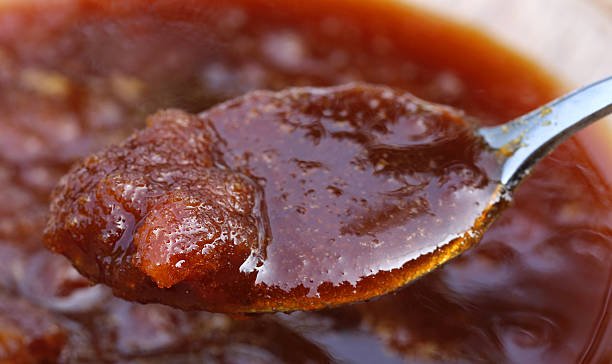
Jaggery, also known as “Gur” in many regions, is a traditional natural sweetener made by boiling and concentrating sugarcane juice or palm sap. It is unrefined, retaining natural minerals and nutrients, and has a rich, caramel-like flavor. Jaggery is widely used in various culinary dishes, desserts, and medicinal preparations due to its wholesome qualities.
What Are the Ingredients of Jaggery?
The main ingredients of Jaggery are pure sugarcane juice or palm sap, which is boiled down without refining or chemical processing. It contains natural sugars along with trace minerals like iron, calcium, magnesium, and potassium, which are preserved during the traditional processing.
Where Can You Find Jaggery?
Jaggery is commonly available in grocery stores, markets, organic shops, and online platforms worldwide. It is sold in blocks, cubes, or powders, and is often packaged in eco-friendly wrappers or containers. It is especially popular in countries like India, Bangladesh, Sri Lanka, and other tropical regions.
What Are the Uses of Jaggery?
Jaggery has a wide array of applications:
- Culinary: Used in sweets, desserts, beverages like tea and health drinks, and savory dishes.
- Medicinal: Consumed to boost immunity, improve digestion, and detoxify the body.
- Health Remedies: Used in cough syrups, herbal teas, and traditional medicines.
- Household: Acts as a natural cleaner and is sometimes used in skincare routines.
How Does Jaggery Work?
Jaggery works by providing natural sugars that serve as quick energy sources. Its mineral content supports various bodily functions, including blood purification, digestion, and boosting immunity. When consumed, it helps stimulate digestive enzymes and aids in detoxification processes, thanks to its rich nutrient profile.
How Healthy Is Jaggery?
Jaggery is considered healthier than refined sugar because it retains natural minerals and nutrients. It provides essential minerals like iron, which can help combat anemia, and supports digestion and detoxification. However, it is still a form of sugar and should be consumed in moderation to avoid health issues like weight gain and blood sugar spikes.
What Happens if You Use Too Little or Too Much Jaggery?
Using too little Jaggery may result in missing out on its nutritional benefits and natural sweetness. Overuse can lead to excessive calorie intake, increased blood sugar levels, and potential weight gain. Moderation is key to enjoying its benefits without adverse effects.
What Causes a Deficiency of Jaggery?
A deficiency in Jaggery itself is rare; more often, people may have low iron or mineral levels due to poor diet. If someone avoids all natural sweeteners or consumes excessive refined sugar, they might miss out on the nutritional benefits Jaggery offers.
What Are the Signs of Too Little or Too Much Jaggery?
Low intake may cause symptoms of mineral deficiency like fatigue, weakness, or anemia. Overconsumption can lead to high blood sugar, weight gain, and dental problems. It’s important to balance its intake with overall dietary habits.
Is Jaggery a Natural Ingredient?
Yes, Jaggery is a natural, minimally processed sweetener made from sugarcane juice or palm sap. It is unrefined and retains many of its natural minerals, making it a wholesome addition to a healthy diet.
Does Jaggery Help in Weight Loss?
No, Jaggery does not directly help in weight loss. Despite its health benefits, it is still a sugar and should be used in moderation. Excessive intake can contribute to weight gain.
Conclusion
Jaggery is a wholesome, natural sweetener packed with essential minerals and nutrients. Its traditional use in cooking and medicine makes it a valuable addition to a balanced diet. While it offers health benefits over refined sugar, moderation is vital to maximize its advantages and maintain overall health.
FAQs:(Frequently Asked Questions)
Is Jaggery Harmful for Diabetes?
Consuming Jaggery can raise blood sugar levels, so it is not recommended for diabetics in large amounts. However, in small, controlled quantities, it may be used cautiously under medical supervision.
Are There Alternatives to Jaggery?
Yes, alternatives include honey, maple syrup, coconut sugar, and artificial sweeteners. Each alternative has different health profiles and suitability depending on dietary needs.