Sulfur & Natural Sources: Eat for Better Health
What Is Sulfur?
Sulfur is a vital mineral element essential for various biological processes in the human body. It is naturally present in the environment and plays a key role in maintaining healthy skin, hair, nails, joints, and overall cellular function. Sulfur is often called the “beauty mineral” because of its importance in skin and hair health.
What Is Sulfur Made Of?
Sulfur is a chemical element with the symbol S and atomic number 16. It exists in nature mainly as sulfate or sulfide compounds. In the body, sulfur is found as part of amino acids like cysteine and methionine, which are building blocks of proteins, making it essential for tissue repair and growth.
Where Is Sulfur Found?
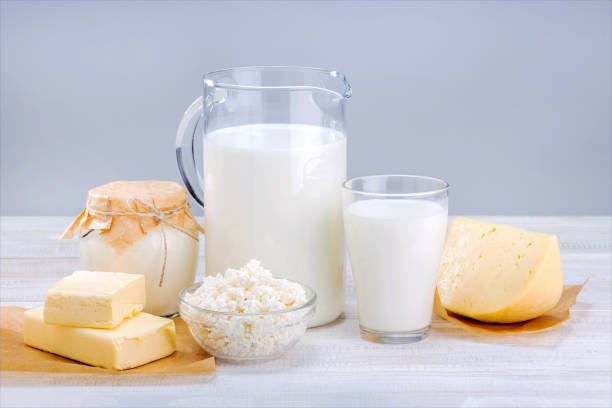
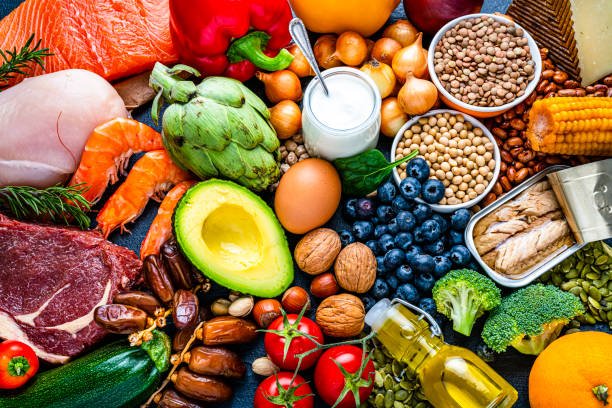
Sulfur is abundant in many foods, especially in protein-rich sources such as eggs, meat, fish, dairy products, legumes, garlic, onions, and cruciferous vegetables like broccoli and Brussels sprouts. It is also present in mineral deposits and can be consumed through supplements if necessary.
How Important Is Sulfur for Our Body?
Sulfur plays a crucial role in detoxification, enzyme function, and the synthesis of amino acids. It supports healthy skin, hair, and nails, aids in joint flexibility, and helps in maintaining the structural integrity of cells. Without sufficient sulfur, the body cannot produce vital proteins and enzymes needed for optimal health.
What Happens If You Have a Sulfur Deficiency?
Sulfur deficiency is rare but can lead to symptoms like brittle hair and nails, skin problems, joint pain, and slow wound healing. It may also impair the body’s ability to detoxify harmful substances, potentially leading to fatigue and weakened immune function.
What Are the Signs of Too Little or Too Much Sulfur?
Low sulfur levels may cause skin dryness, hair breakage, and joint discomfort. Excess sulfur, often from supplements, can cause gastrointestinal issues like diarrhea, bloating, or bad breath. In extreme cases, excessive sulfur intake might impact liver and kidney function.
How Do You Address Sulfur Deficiency or Excess?
To prevent deficiency, include sulfur-rich foods like garlic, onions, eggs, and cruciferous vegetables in your diet. If levels are abnormal, consult a healthcare provider for appropriate supplements or dietary adjustments. Excessive sulfur intake should be monitored to avoid adverse effects.
How Is Sulfur Made or Obtained?
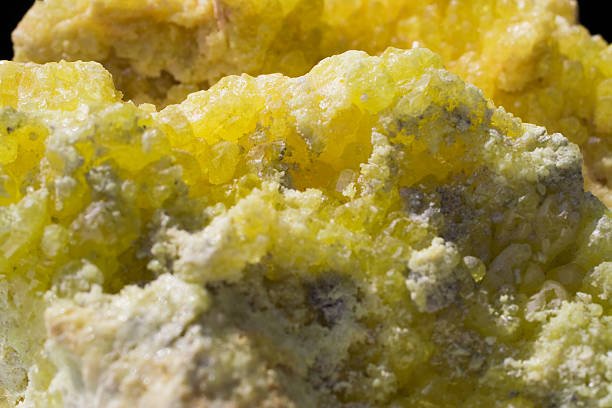
Sulfur is naturally obtained from mineral deposits and volcanic activity. It is processed into supplements or used in various medicinal and industrial applications. Dietary intake from foods is the safest and most natural way to meet your sulfur needs.
Is Sulfur a Natural Ingredient?
Yes, sulfur is a naturally occurring mineral found in the earth, water, and foods we eat. It has been part of the human diet for centuries and is essential for maintaining health.
Is Sulfur Suitable for All Ages?
Absolutely! Sulfur is beneficial for people of all ages, supporting growth, repair, and skin health from childhood to old age.
Is Sulfur Beneficial for Children?
Yes, sulfur supports healthy skin, hair, nails, and overall growth in children. Adequate intake helps in tissue development and immune function.
Does Sulfur Help in Weight Gain?
Sulfur itself does not directly promote weight gain. However, it supports overall metabolism and tissue repair, which can indirectly influence healthy growth and development.
Conclusion
Sulfur is an essential mineral that plays a significant role in maintaining healthy skin, hair, nails, joints, and overall cellular health. Incorporating sulfur-rich foods into your diet ensures your body functions properly and helps prevent deficiencies. Proper management of sulfur intake contributes to better health and vitality.
FAQs:(Frequently Asked Questions)
Is Sulfur Harmful for Diabetes?
Sulfur is generally safe for diabetics and can support detoxification and overall health. However, individuals with kidney issues should consult their healthcare provider before taking sulfur supplements.
Are There Alternatives to Sulfur?
There are no direct substitutes for sulfur, but a balanced diet with sulfur-rich foods naturally provides its benefits. Supplements should be used cautiously and under medical advice if needed.
Related
Learn More
Jaggery & Health: Is It Better Than Sugar?
What Is Jaggery?
Jaggery, also known as “Gur” in many regions, is a traditional natural sweetener made by boiling and concentrating sugarcane juice or palm sap. It is unrefined, retaining natural minerals and nutrients, and has a rich, caramel-like flavor. Jaggery is widely used in various culinary dishes, desserts, and medicinal preparations due to its wholesome qualities.
What Are the Ingredients of Jaggery?
The main ingredients of Jaggery are pure sugarcane juice or palm sap, which is boiled down without refining or chemical processing. It contains natural sugars along with trace minerals like iron, calcium, magnesium, and potassium, which are preserved during the traditional processing.
Where Can You Find Jaggery?
Jaggery is commonly available in grocery stores, markets, organic shops, and online platforms worldwide. It is sold in blocks, cubes, or powders, and is often packaged in eco-friendly wrappers or containers. It is especially popular in countries like India, Bangladesh, Sri Lanka, and other tropical regions.
What Are the Uses of Jaggery?
Jaggery has a wide array of applications:
- Culinary: Used in sweets, desserts, beverages like tea and health drinks, and savory dishes.
- Medicinal: Consumed to boost immunity, improve digestion, and detoxify the body.
- Health Remedies: Used in cough syrups, herbal teas, and traditional medicines.
- Household: Acts as a natural cleaner and is sometimes used in skincare routines.
How Does Jaggery Work?
Jaggery works by providing natural sugars that serve as quick energy sources. Its mineral content supports various bodily functions, including blood purification, digestion, and boosting immunity. When consumed, it helps stimulate digestive enzymes and aids in detoxification processes, thanks to its rich nutrient profile.
How Healthy Is Jaggery?
Jaggery is considered healthier than refined sugar because it retains natural minerals and nutrients. It provides essential minerals like iron, which can help combat anemia, and supports digestion and detoxification. However, it is still a form of sugar and should be consumed in moderation to avoid health issues like weight gain and blood sugar spikes.
What Happens if You Use Too Little or Too Much Jaggery?
Using too little Jaggery may result in missing out on its nutritional benefits and natural sweetness. Overuse can lead to excessive calorie intake, increased blood sugar levels, and potential weight gain. Moderation is key to enjoying its benefits without adverse effects.
What Causes a Deficiency of Jaggery?
A deficiency in Jaggery itself is rare; more often, people may have low iron or mineral levels due to poor diet. If someone avoids all natural sweeteners or consumes excessive refined sugar, they might miss out on the nutritional benefits Jaggery offers.
What Are the Signs of Too Little or Too Much Jaggery?
Low intake may cause symptoms of mineral deficiency like fatigue, weakness, or anemia. Overconsumption can lead to high blood sugar, weight gain, and dental problems. It’s important to balance its intake with overall dietary habits.
Is Jaggery a Natural Ingredient?
Yes, Jaggery is a natural, minimally processed sweetener made from sugarcane juice or palm sap. It is unrefined and retains many of its natural minerals, making it a wholesome addition to a healthy diet.
Does Jaggery Help in Weight Loss?
No, Jaggery does not directly help in weight loss. Despite its health benefits, it is still a sugar and should be used in moderation. Excessive intake can contribute to weight gain.
Conclusion
Jaggery is a wholesome, natural sweetener packed with essential minerals and nutrients. Its traditional use in cooking and medicine makes it a valuable addition to a balanced diet. While it offers health benefits over refined sugar, moderation is vital to maximize its advantages and maintain overall health.
FAQs:(Frequently Asked Questions)
Is Jaggery Harmful for Diabetes?
Consuming Jaggery can raise blood sugar levels, so it is not recommended for diabetics in large amounts. However, in small, controlled quantities, it may be used cautiously under medical supervision.
Are There Alternatives to Jaggery?
Yes, alternatives include honey, maple syrup, coconut sugar, and artificial sweeteners. Each alternative has different health profiles and suitability depending on dietary needs.