What is Vitamin E?
Vitamin E is a powerful fat-soluble antioxidant that plays a vital role in protecting cells from oxidative damage caused by free radicals. It exists in various forms, with alpha-tocopherol being the most active and beneficial for humans. This vitamin is essential for maintaining healthy skin, eyes, and immune function. It also supports cellular repair and regeneration, making it a crucial nutrient for overall well-being.
What are the Main Sources of Vitamin E?
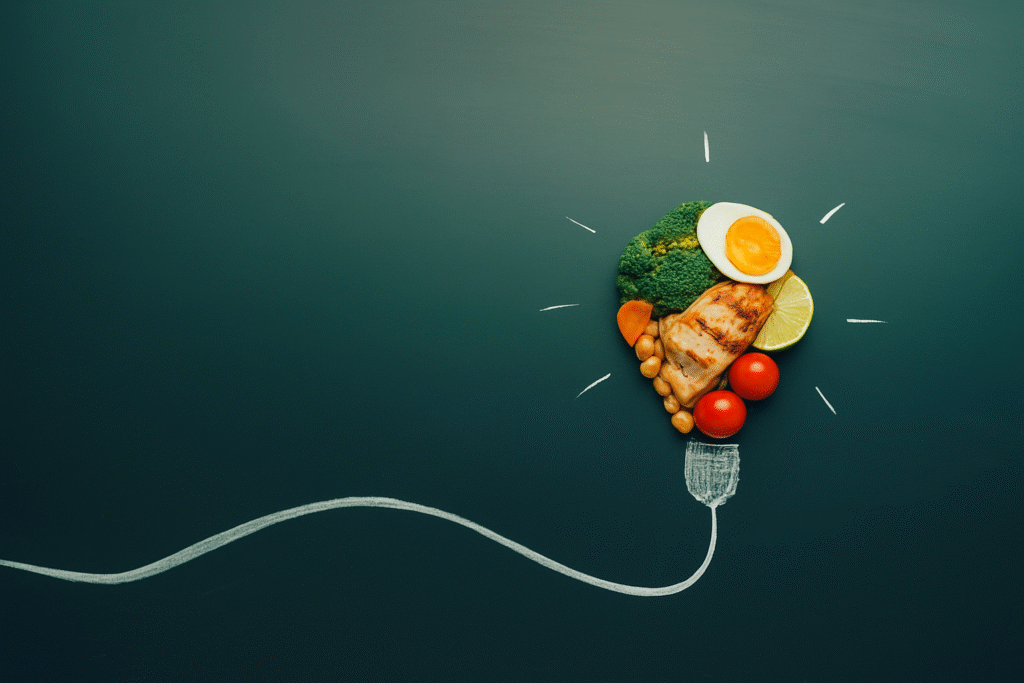
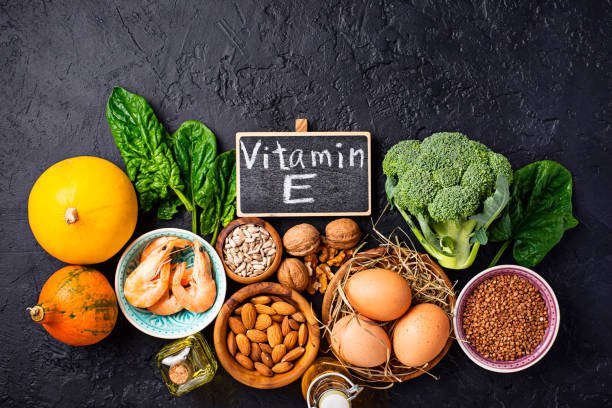
Vitamin E is naturally abundant in many food sources. The richest sources include nuts and seeds such as almonds, sunflower seeds, and hazelnuts. Plant oils like wheat germ oil, sunflower oil, safflower oil, and olive oil are excellent sources. Additionally, green leafy vegetables like spinach and broccoli contain moderate amounts of Vitamin E. Incorporating these foods into your daily diet ensures sufficient intake of this vital nutrient.
Why is Vitamin E Important?
Vitamin E is essential because of its antioxidant properties, which help neutralize harmful free radicals in the body. This protection prevents cell damage, supports immune health, and promotes healthy skin and eyes. It also plays a role in preventing chronic diseases such as heart disease and certain cancers. Moreover, Vitamin E helps maintain healthy red blood cells and supports the body’s natural healing processes.
How Can I Confirm If I Have a Vitamin E Deficiency?
Signs of Vitamin E deficiency include muscle weakness, vision problems, impaired immune response, and neurological issues such as balance problems or nerve damage. If you suspect a deficiency, a blood test can accurately measure your Vitamin E levels. People with certain medical conditions, malabsorption issues, or those on restrictive diets are more prone to deficiency and should seek medical advice.
Which Foods or Oils Provide the Most Vitamin E?
Wheat germ oil is considered the richest natural source of Vitamin E, followed by sunflower oil and almonds. Other beneficial sources include hazelnuts, sunflower seeds, spinach, and avocados. Regularly including these foods in your diet can significantly boost your Vitamin E intake and promote overall health.
What Skin or Eye Problems Can Result from Vitamin E Deficiency?
A deficiency can lead to dry, rough, and prematurely aging skin, as Vitamin E helps maintain skin elasticity and hydration. It also affects eye health, causing dryness, irritation, and increased risk of age-related macular degeneration (AMD). Maintaining adequate Vitamin E levels is vital for youthful skin and healthy vision.
How Long Does It Take for Vitamin E to Show Effects in the Body?
The time frame varies based on individual health, diet, and lifestyle. Typically, noticeable benefits like improved skin health and immune function can be observed within a few weeks of consistent intake. However, for long-term benefits such as reducing chronic disease risk, it may take several months of regular consumption.
Are There Risks of Taking Too Much Vitamin E?
Excessive intake of Vitamin E supplements can cause side effects such as nausea, diarrhea, blurred vision, fatigue, and an increased risk of bleeding due to blood thinning. Very high doses over extended periods may lead to serious complications like hemorrhage. Always follow recommended dosages and consult a healthcare professional before supplementing.
What is the Relationship Between Vitamin E and Antioxidants?
Vitamin E is one of the body’s primary antioxidants, working synergistically with other antioxidants like Vitamin C and selenium. It neutralizes free radicals that can damage cells, thereby reducing oxidative stress and lowering the risk of chronic diseases such as heart disease and cancer.
Where Can I Get the Highest Amount of Vitamin E?
The highest amounts of Vitamin E are available in wheat germ oil, sunflower seeds, almonds, hazelnuts, and spinach. Incorporating these foods regularly into your diet can help meet your daily Vitamin E requirements effectively.
Which Nuts or Oils Are Most Beneficial for Vitamin E?
Wheat germ oil and sunflower oil are the top sources, followed by almonds and hazelnuts. These contain high concentrations of Vitamin E and deliver numerous health benefits, including improved skin and immune health.
Does Vitamin E Decrease with Age?
Yes, natural levels of Vitamin E tend to decline with age, partly due to decreased absorption efficiency and dietary changes. This reduction makes it even more important for older adults to include Vitamin E-rich foods or supplements in their diet to maintain optimal health.
Are There Long-term Risks of Vitamin E Deficiency?
Prolonged deficiency can lead to severe health issues such as nerve damage, vision problems, weakened immune function, and increased vulnerability to chronic diseases. Ensuring adequate intake is crucial for long-term health and vitality.
Conclusion
Vitamin E is a crucial nutrient with powerful antioxidant properties that protect your cells and support overall health. Consuming a diet rich in nuts, seeds, oils, and green leafy vegetables can help maintain optimal levels. Regular intake not only enhances skin and eye health but also reduces the risk of chronic illnesses. Being aware of deficiency symptoms and consulting healthcare professionals for proper supplementation can ensure you reap the full benefits of this essential vitamin.