What is Vitamin K?
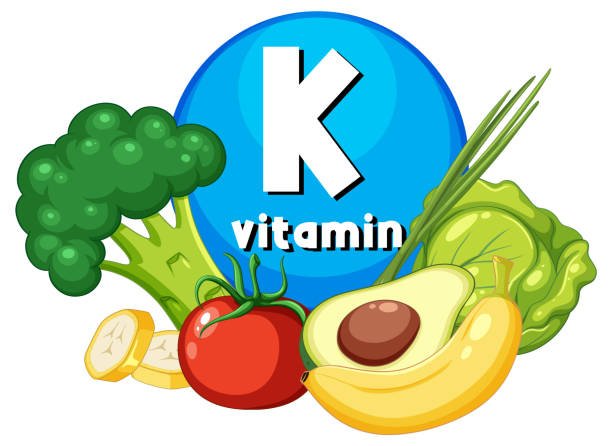
Vitamin K is a fat-soluble vitamin essential for blood clotting and maintaining healthy bones. It activates proteins that help in blood coagulation, preventing excessive bleeding, and in bone mineralization, promoting strong, dense bones. There are two main forms: Vitamin K1 (phylloquinone), primarily found in green leafy vegetables, and Vitamin K2 (menaquinones), produced by bacteria in our gut and found in fermented foods and certain animal products. Adequate Vitamin K intake is vital for overall health, especially for preventing bleeding disorders and osteoporosis.
What are the Main Sources of Vitamin K?
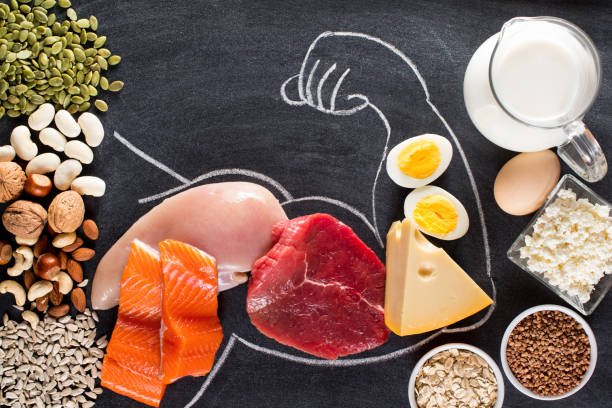
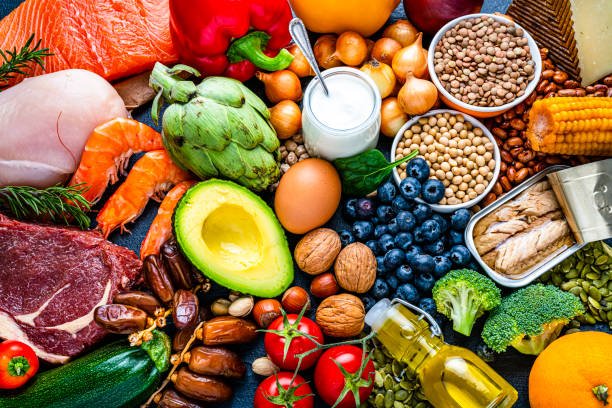
Vitamin K is predominantly found in green leafy vegetables such as spinach, kale, broccoli, and Brussels sprouts, which are rich in Vitamin K1. Other sources include vegetable oils like soybean and canola oil, fermented foods like natto, cheese, and certain animal products like liver. Our gut bacteria also produce Vitamin K2, contributing to our overall levels. Incorporating a variety of these foods into your diet ensures sufficient Vitamin K intake.
Why is Vitamin K So Important?
Vitamin K is crucial because it activates specific proteins involved in blood clotting, preventing excessive bleeding. It also plays a vital role in calcium regulation, helping to deposit calcium into bones and teeth, thus preventing osteoporosis and fractures. Without enough Vitamin K, the risk of bleeding disorders and weakened bones significantly increases, making it an essential nutrient for both circulatory and skeletal health.
How Can I Know If I Have a Vitamin K Deficiency?
Signs of Vitamin K deficiency include easy bruising, excessive bleeding from wounds, bleeding gums, or nosebleeds. In infants, deficiency can lead to a rare bleeding disorder called hemorrhagic disease of the newborn. Long-term deficiency may cause osteoporosis or increased fracture risk. Blood tests measuring prothrombin time (PT) and Vitamin K levels can confirm deficiency. If you experience unusual bleeding or bruising, consult a healthcare provider for proper diagnosis.
Which Foods or Foods Contain the Most Vitamin K?
Green leafy vegetables like spinach, kale, parsley, and broccoli are the top sources of Vitamin K1. Fermented foods such as natto (a Japanese fermented soybean dish) contain high levels of Vitamin K2. Other sources include vegetable oils, small amounts in cheese, eggs, and liver. Regularly consuming these foods can significantly boost your Vitamin K levels naturally.
What Kind of Bleeding or Bone Problems Can Result from Vitamin K Deficiency?
Vitamin K deficiency can lead to increased bleeding tendencies, such as nosebleeds, bleeding gums, and easy bruising. In severe cases, it can cause hemorrhagic disease, especially in infants. For bones, deficiency impairs the activation of osteocalcin, a protein essential for calcium binding in bones, leading to weakened bones, osteoporosis, and higher fracture risk over time.
How Soon Will I Notice the Effects of Vitamin K?
The effects of improved Vitamin K intake can be observed within a few weeks, especially in terms of better blood clotting and healing. Bone health benefits, like increased bone density, may take several months to become noticeable, as bone remodeling is a slow process.
Are Vitamin K Supplements Safe?
Yes, Vitamin K supplements are generally safe when taken within recommended doses. Vitamin K1 supplements are widely used for blood clotting support, and Vitamin K2 supplements are popular for bone health. However, individuals on blood-thinning medications like warfarin must consult their doctor before taking supplements, as excess Vitamin K can interfere with medication efficacy.
What Are the Risks of Taking Too Much Vitamin K?
While Vitamin K toxicity is rare, excessive intake through supplements can cause adverse effects, such as blood clotting issues or allergic reactions. High doses may also interact with blood-thinning medications, increasing the risk of blood clots. Always follow medical advice and recommended dosages to avoid potential risks.
What Is the Relationship Between Vitamin K and Calcium?
Vitamin K works synergistically with calcium to build and maintain healthy bones. It activates osteocalcin, a protein that binds calcium to the bone matrix. Without sufficient Vitamin K, calcium may not be effectively deposited into bones and teeth, leading to weaker bones and increased risk of osteoporosis. Adequate Vitamin K ensures calcium is used properly in the body.
How Can Green Vegetables Help Increase My Vitamin K Levels?
Green leafy vegetables are rich in Vitamin K1. Regularly eating spinach, kale, parsley, and broccoli can significantly boost your intake. These vegetables contain high amounts of phylloquinone, which the body readily absorbs and uses for blood clotting and bone health. Incorporating a variety of greens into your daily meals is an effective natural strategy to maintain optimal Vitamin K levels.
Does Vitamin K Help Prevent Long-Term Diseases or Damage?
Yes, Vitamin K helps prevent long-term health issues like osteoporosis, arterial calcification, and cardiovascular diseases by ensuring proper calcium regulation and preventing calcium deposits in arteries. Adequate intake can also support overall vascular health and reduce the risk of age-related bone loss.
What Is the Connection Between Vitamin K and Other Nutrients?
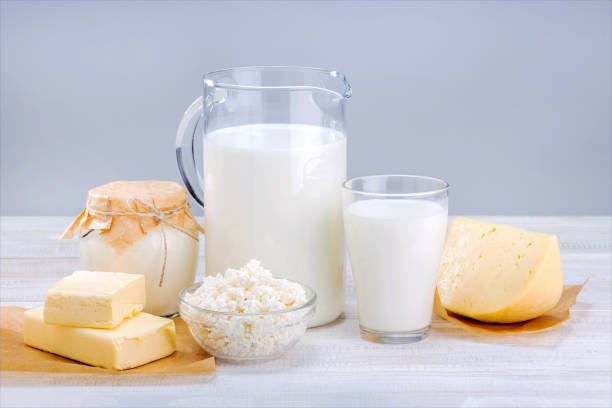
Vitamin K works closely with calcium and vitamin D. Vitamin D enhances calcium absorption from the gut, while Vitamin K activates proteins that direct calcium to bones and teeth, preventing it from depositing in arteries. Together, these nutrients maintain strong bones and healthy cardiovascular systems.
Does Vitamin K Deficiency Lead to Bone Weakness or Osteoporosis?
Absolutely. Without enough Vitamin K, osteocalcin remains inactive, reducing calcium binding in bones and increasing the risk of osteoporosis and fractures, especially in the elderly. Ensuring sufficient Vitamin K intake is vital for maintaining bone density and preventing long-term skeletal problems.
Conclusion
Vitamin K is an essential nutrient that plays a vital role in blood clotting and bone health. Its interaction with calcium and other nutrients highlights its importance in maintaining overall well-being. Consuming a diet rich in green vegetables, fermented foods, and, if needed, supplements can help prevent deficiencies. Adequate Vitamin K intake supports a healthy circulatory system and strong bones, reducing the risk of bleeding disorders and osteoporosis in the long run.