Search
Close this search box.

Lactose & Digestive Health: What You Need to Know

A glass of milk with a close-up of the label highlighting "Lactose" as a natural sugar component.
Facebook
Twitter
LinkedIn

What Is Lactose?

Lactose is a natural sugar found predominantly in milk and dairy products. It is a disaccharide, meaning it’s made up of two simpler sugars—glucose and galactose—linked together. Lactose provides a source of energy and contributes to the creamy texture of milk and dairy foods.

What Is Lactose Made Of?

Lactose is composed of two simple sugars: glucose and galactose. These sugars are bonded together by a special enzyme called lactase. When we consume lactose, our bodies break it down into glucose and galactose, which are then absorbed into the bloodstream to provide energy.

Where Is Lactose Found?

Lactose is naturally present in all mammalian milk, including cow, goat, and sheep milk. It is also found in dairy products like cheese, yogurt, ice cream, and milk-based desserts. Additionally, many processed foods contain added lactose as a sweetener or filler.

Is Lactose Harmful to Health?

For most people, lactose is a safe and natural carbohydrate that provides energy. However, some individuals experience difficulty digesting it, leading to discomfort. Consuming lactose in normal amounts is generally safe, but excess intake may cause digestive issues in sensitive individuals.

What Is Lactose Intolerance?

Lactose intolerance occurs when the body produces insufficient amounts of lactase, the enzyme needed to digest lactose. This results in undigested lactose fermenting in the gut, causing symptoms like bloating, gas, diarrhea, and stomach cramps after consuming dairy products.

How Do You Detect Lactose Intolerance?

Lactose intolerance can be diagnosed through various methods:

  • Hydrogen breath test: Measures hydrogen levels in breath after consuming lactose.
  • Lactose tolerance test: Monitors blood glucose levels after lactose intake.
  • Elimination diet: Avoids dairy for a period and observes symptom improvement.
    Consult a healthcare professional for accurate diagnosis.

Are There Benefits to Reducing or Eliminating Lactose?

Reducing or avoiding lactose can alleviate symptoms in lactose-intolerant individuals, improving comfort and digestive health. It can also reduce bloating, gas, and diarrhea. However, eliminating dairy may reduce intake of essential nutrients like calcium and vitamin D, so alternative sources are important.

Are Lactose-Free Foods Available?

Yes, many dairy products are available in lactose-free versions, where lactase enzyme is added to break down lactose. Additionally, plant-based alternatives like almond milk, soy milk, coconut milk, and oat milk are naturally lactose-free and nutritious.

How Is Lactose Made or Processed?

Lactose is naturally present in milk. In the food industry, lactose can be extracted from milk or whey during dairy processing. It is then used as a sweetener, stabilizer, or filler in various food products.

Is Lactose a Natural Ingredient?

Yes, lactose is naturally occurring in milk and dairy products. It is a naturally derived carbohydrate that has been part of mammalian milk for millions of years.

Is Lactose Suitable for All Ages?

Lactose is generally safe and beneficial for most age groups, including infants and children, as it provides energy and supports growth. However, lactose intolerance can develop at any age, especially in adults.

Is Lactose Beneficial for Babies?

Yes, lactose is the main carbohydrate in infant milk formulas and breast milk. It provides essential energy and supports the development of healthy gut bacteria, making it beneficial for infants.

Conclusion

Lactose is a natural sugar found in milk and dairy products, providing energy and nutritional benefits. While most people digest it easily, lactose intolerance affects many others, leading to discomfort. Fortunately, lactose-free options and plant-based alternatives are widely available. Understanding your body’s response to lactose can help you make healthier dietary choices.

FAQs:(Frequently Asked Questions)

Is Lactose Harmful for Diabetes?

Lactose has a similar effect on blood sugar as other carbohydrates. For diabetics, consuming lactose in moderation is generally safe, but it’s best to monitor blood glucose levels and opt for lactose-free or low-sugar dairy options.

Yes, plant-based milks like almond, soy, coconut, and oat milk are excellent lactose-free alternatives. They also provide various nutrients and are suitable for lactose-intolerant individuals.

Lactose itself does not directly aid weight loss. However, choosing dairy products with controlled sugar content or lactose-free options can be part of a balanced diet aimed at healthy weight management.

Vitamin B6 & How It Works: Powering Cellular Energy

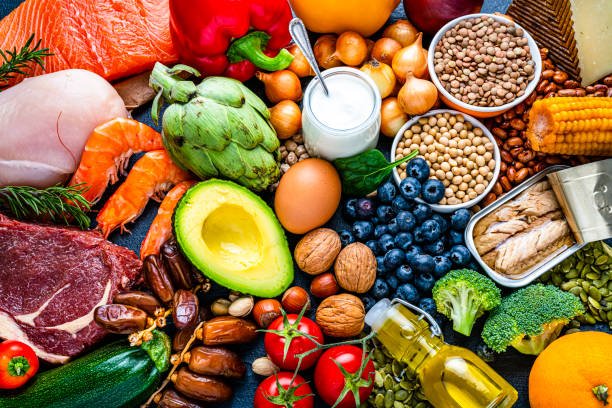
A variety of foods rich in Vitamin B6, including bananas, chicken, spinach, and nuts.
Facebook
Twitter
LinkedIn

What Is Vitamin B6 (Pyridoxine)?

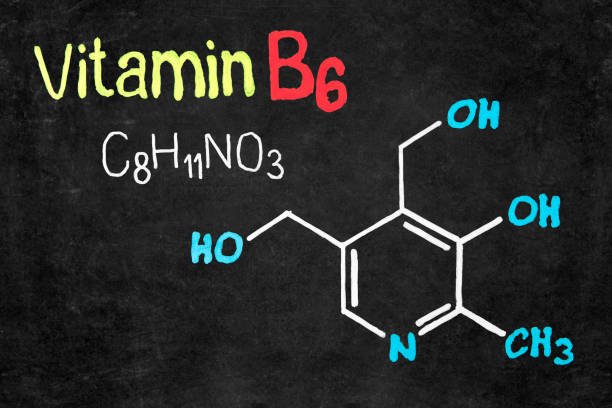
Vitamin B6, also known as Pyridoxine, is an essential water-soluble vitamin that plays a vital role in various metabolic processes. It is crucial for amino acid metabolism, neurotransmitter synthesis, hemoglobin production, and immune function. As an important component of the B-vitamin complex, Vitamin B6 helps convert food into energy and supports overall brain health. Since it dissolves in water, excess amounts are excreted via urine, so regular intake through diet or supplements is necessary for maintaining optimal health.

What Kind of Solubility Does Vitamin B6 Have?

Vitamin B6 (Pyridoxine) is water-soluble. This means it dissolves readily in water, allowing the body to absorb it efficiently. Because it is water-soluble, the body does not store large quantities of it, emphasizing the importance of consuming it regularly through foods or supplements.

What Are the Sources of Vitamin B6?

Vitamin B6 is found abundantly in a variety of foods, including:

  • Poultry like chicken and turkey
  • Fish such as salmon and tuna
  • Whole grains and fortified cereals
  • Bananas
  • Potatoes and sweet potatoes
  • Spinach and other leafy greens
  • Nuts and seeds
  • Legumes like chickpeas and lentils

Eating a balanced diet that includes these foods helps prevent deficiency and supports overall metabolic health.

What Are the Components or Types of Vitamin B6?

Vitamin B6 exists mainly in three chemical forms:

  • Pyridoxine (the most common form in supplements)
  • Pyridoxal
  • Pyridoxamine
    These forms are interconvertible in the body and play roles in amino acid metabolism and other biochemical reactions.

What Are the Uses of Vitamin B6?

Vitamin B6 supports:

  • Protein metabolism and amino acid synthesis
  • Neurotransmitter production (serotonin, dopamine)
  • Hemoglobin synthesis for healthy blood cells
  • Immune system function
  • Brain health and cognitive function
  • Reducing morning sickness during pregnancy

How Does Vitamin B6 Work?

Vitamin B6 works as a coenzyme in over 100 enzymatic reactions involved in amino acid metabolism, neurotransmitter synthesis, and gluconeogenesis. It helps convert amino acids into neurotransmitters like serotonin and dopamine, which regulate mood, sleep, and mental focus. Additionally, B6 is vital for hemoglobin production, helping carry oxygen in the blood. It also supports immune health by assisting in the production of antibodies.

How Healthy Is Vitamin B6?

Vitamin B6 is highly beneficial for overall health. It promotes brain function, enhances mood, supports immune health, and helps prevent anemia. Adequate levels of B6 can reduce inflammation and boost energy levels. However, excessive intake from supplements can cause side effects, so moderation is key.

What Happens if You Consume Too Little or Too Much Vitamin B6?

  • Too Little (Deficiency): Symptoms include irritability, depression, confusion, skin rashes, cracked lips, anemia, and nerve tingling or numbness. Severe deficiency can lead to neurological problems.
  • Too Much (Toxicity): Excessive intake, mainly from supplements, can cause nerve damage, numbness, difficulty walking, and skin lesions. These symptoms are usually reversible upon stopping high doses.

What Causes a Deficiency of Vitamin B6?

Deficiency may result from poor diet, malabsorption syndromes, alcohol dependence, certain medications (like isoniazid or penicillamine), or medical conditions affecting nutrient absorption.

What Are the Signs of Too Little or Too Much Vitamin B6?

  • Too Little: Fatigue, irritability, depression, skin rashes, nerve numbness, and anemia.
  • Too Much: Numbness, tingling sensations, loss of coordination, and skin lesions.

Is Vitamin B6 a Natural Ingredient?

Yes, Vitamin B6 naturally occurs in many foods and can also be synthesized for supplements. It is an essential nutrient that must be obtained through diet or supplementation.

Does Vitamin B6 Help in Weight Gain?

Vitamin B6 supports metabolism and energy production but does not directly cause weight gain. Maintaining adequate B6 levels ensures proper bodily functions, which can contribute to overall health and vitality.

Conclusion

Vitamin B6 (Pyridoxine) is an essential nutrient that supports amino acid metabolism, neurotransmitter synthesis, immune function, and overall brain health. Consuming a balanced diet rich in B6-containing foods helps prevent deficiency and promotes overall well-being. While deficiency can cause neurological and skin issues, excess intake from supplements may lead to nerve damage. Maintaining optimal B6 levels is vital for a healthy, balanced life.

FAQs:(Frequently Asked Questions)

Are There Alternatives to Vitamin B6?

Yes, other B-vitamins and nutrients support similar functions, but no direct substitute replaces Vitamin B6’s specific roles. A balanced diet ensures sufficient intake.

Vitamin B6 helps optimize metabolism and energy levels but does not directly cause weight gain. Proper nutrition and lifestyle are essential for healthy weight management.

Leave a Comment

Your email address will not be published. Required fields are marked *

Scroll to Top