Search
Close this search box.

Cocoa Powder & Caffeine: What You Need to Know

A spoonful of unsweetened cocoa powder resting on a wooden surface, highlighting its rich texture.
Facebook
Twitter
LinkedIn

What Is Cocoa Powder?

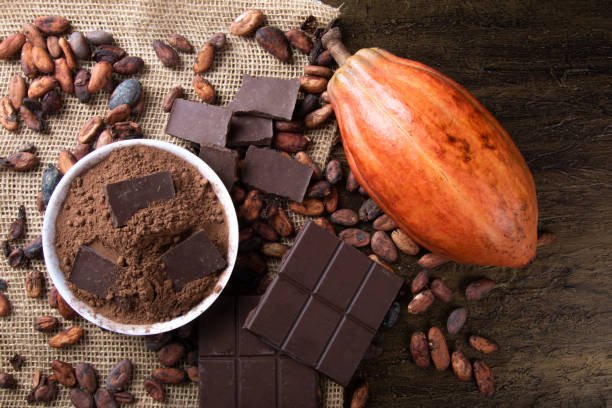
Cocoa powder is a finely ground powder made from roasted and processed cacao beans. It is a key ingredient in chocolates, desserts, and beverages, providing a rich, bitter flavor. Cocoa powder is available in natural and Dutch-processed varieties, both used in baking and cooking. It is packed with antioxidants, vitamins, and minerals, making it a popular health-conscious ingredient.

What Are the Health Benefits of Cocoa Powder?

Cocoa powder is renowned for its numerous health benefits, including:

  • Rich in antioxidants that combat free radicals
  • Enhances heart health by improving blood flow and lowering blood pressure
  • Supports brain function and mood improvement due to its phenylethylamine content
  • Contains flavonoids that help reduce inflammation and improve cholesterol levels
  • May boost energy and reduce fatigue due to natural caffeine content
    Incorporating cocoa powder into your diet can contribute to overall wellness.

How Is Cocoa Powder Made?

Cocoa powder is produced through several steps:

  • Harvesting cacao pods and extracting the cacao beans.
  • Fermenting and drying the beans to develop flavor.
  • Roasting the beans to enhance aroma and flavor.
  • Winnowing to remove shells, leaving behind cacao nibs.
  • Grinding the nibs into a thick paste called chocolate liquor.
  • Pressing the liquor to separate cocoa butter from cocoa solids.
  • Grinding the solids into fine powder—this is your cocoa powder.
    Dutch-processed cocoa is treated with alkaline to reduce acidity, while natural cocoa remains unprocessed.

What Is the Source of Cocoa Powder?

The primary source of cocoa powder is the cacao bean, which is native to regions near the equator, including West Africa, South America, and Southeast Asia. Countries like Ivory Coast, Ghana, Indonesia, and Nigeria are major producers. The quality of cocoa beans influences the flavor, color, and nutritional content of the powder.

Does Cocoa Powder Help with Weight Loss?

Cocoa powder can support weight management when used as part of a balanced diet. Its antioxidants and mood-enhancing compounds may reduce cravings and improve energy levels. However, because cocoa powder is naturally bitter, it often requires sweetening, which can add calories. Moderation and mindful use are key.

How Much Cocoa Powder Should You Consume Daily?

A typical serving ranges from 1 to 2 tablespoons (about 5-10 grams) per day. Consuming moderate amounts allows you to enjoy its health benefits without overloading on caffeine or calories. Always consider your overall diet and health conditions.

Is Cocoa Powder Harmful to Health?

In general, cocoa powder is safe and beneficial when consumed in moderation. Excessive intake, especially of processed or sweetened varieties, can lead to increased caffeine consumption, weight gain, or digestive discomfort. People sensitive to caffeine should monitor their intake.

Does Cocoa Powder Contain Caffeine?

Yes, cocoa powder naturally contains caffeine, though in smaller amounts compared to coffee or tea. The caffeine content varies depending on the type of cocoa powder, but it can provide a gentle energy boost and alertness.

What Is the Difference Between Cocoa Powder and Chocolate?

Cocoa powder is a dry, powdered form made from cacao beans, whereas chocolate contains cocoa solids, cocoa butter, sugar, and sometimes milk. Chocolate is sweeter and less concentrated in cocoa content, while cocoa powder is pure, bitter, and rich in antioxidants.

Are There Alternatives to Cocoa Powder?

Yes, alternatives include carob powder, which has a similar taste but is caffeine-free, or cocoa extracts and cacao nibs. However, for health benefits and flavor, natural or Dutch-processed cocoa powder remains the best choice.

How Should You Use Cocoa Powder?

Cocoa powder is versatile:

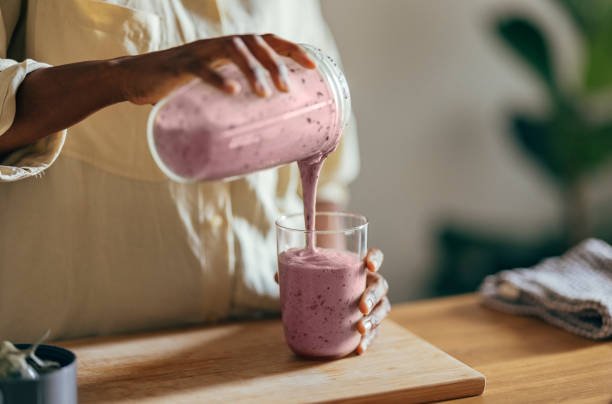
  • Add it to smoothies, oatmeal, or yogurt for flavor and antioxidants.
  • Use in baking recipes like cakes, brownies, and cookies.
  • Mix with hot milk or water for a healthy hot chocolate.
  • Incorporate into energy balls and healthy snacks.
    Balance its use with other nutritious ingredients for optimal health.

What Are the Disadvantages of Eating Too Much Cocoa Powder?

Excessive consumption can lead to:

  • Increased caffeine intake, causing insomnia or jitteriness
  • Potential weight gain if sweetened or used excessively
  • Digestive issues in sensitive individuals due to its fiber content
  • Possible allergic reactions in some people

Are There Benefits to Eating Less Cocoa Powder?

Reducing intake can help avoid excessive caffeine and calorie consumption, especially if you’re sensitive or trying to lose weight. It also minimizes the risk of digestive discomfort and helps maintain stable energy levels.

Is Cocoa Powder Safe for the Body?

Yes, when consumed in moderation, cocoa powder is safe and offers numerous health benefits. Choosing unsweetened, natural, or Dutch-processed varieties ensures you get the maximum benefits without added sugars or harmful additives.

Conclusion

Cocoa powder is a nutrient-rich ingredient that offers a range of health benefits, from boosting heart health to enhancing mood. When used wisely and in moderation, it can be a delicious and healthy addition to your diet. Always opt for natural or minimally processed cocoa powders to maximize health benefits.
FAQs:(Frequently Asked Questions)

Is Cocoa Powder Beneficial for Diabetes?

Cocoa powder contains antioxidants and compounds that may help improve insulin sensitivity. Unsweetened cocoa can be beneficial, but added sugars in processed products should be avoided by diabetics.

Yes, cocoa powder is a natural product derived from roasted cacao beans. Its processing involves grinding and pressing but retains the natural nutrients of cacao.

Fructose & Benefits: Why It’s Better Than Refined Sugar

A bowl of fresh fruits like apples, grapes, and mangoes showcasing natural fructose sources.
Facebook
Twitter
LinkedIn

What Is Fructose?

Fructose, commonly known as fruit sugar, is a natural monosaccharide (simple sugar) found predominantly in fruits, honey, and some vegetables. It is one of the three main types of sugars that make up sucrose, along with glucose and galactose. Fructose has a sweet taste and is often used as a sweetener in processed foods and beverages. Due to its natural origin, it is considered a healthier alternative to refined sugars when consumed in moderation.

What Are the Ingredients of Fructose?

Fructose is a pure chemical compound with the molecular formula C₆H₁₂O₆. Naturally, it is present in fruits, honey, and certain vegetables. Commercially, fructose is produced by enzymatic processing of corn syrup or other plant sources, resulting in a highly purified form used in food and beverage industries.

Where Can You Find Fructose?

Fructose naturally occurs in a variety of foods:

  • Fruits such as apples, grapes, mangoes, and berries
  • Honey
  • Certain vegetables like carrots and sweet corn
    It is also available in processed forms such as high-fructose corn syrup (HFCS), which is used extensively in soft drinks, baked goods, and candies.

What Are the Uses of Fructose?

Fructose has several applications:

Natural Sweetener: Used in cooking and baking to add sweetness.

  • Food Industry: Integrated into processed foods, drinks, and confectioneries.
  • Health Supplements: Sometimes used in energy drinks and sports nutrition for quick energy.
  • Medical Use: Can be used in certain medical formulations for energy administration.

How Does Fructose Work?

Once consumed, fructose is absorbed into the bloodstream through the small intestine. Unlike glucose, it is primarily processed in the liver, where it is converted into glucose, fat, or stored for later use. Fructose provides a quick source of energy but does not cause immediate spikes in blood sugar levels, unlike other simple sugars.

How Healthy Is Fructose?

In moderation, fructose from natural sources like fruits is considered healthy because it comes with fiber, vitamins, and antioxidants. However, excessive intake, especially from processed sources like high-fructose corn syrup, has been linked to health issues such as obesity, insulin resistance, and fatty liver disease. Therefore, natural consumption is preferable over processed forms.

What Happens if You Use Too Little or Too Much Fructose?

A deficiency of fructose is rare, as it is naturally present in many foods. However, in cases of hereditary fructose intolerance, consuming fructose can cause severe health problems. Excessive intake of fructose, particularly from processed foods, can lead to weight gain, increased fat accumulation in the liver, insulin resistance, and other metabolic issues.

What Causes a Deficiency of Fructose?

Hereditary fructose intolerance (HFI) is a genetic condition where the body cannot properly metabolize fructose due to a deficiency of the enzyme aldolase B. This leads to dangerous buildup of fructose-1-phosphate, causing symptoms like vomiting, hypoglycemia, and liver damage if fructose is ingested.

What Are the Signs of Too Little or Too Much Fructose?

  • Too Little: Rare, unless due to genetic disorders like HFI.
  • Too Much: Symptoms include weight gain, fatigue, insulin resistance, fatty liver, and increased risk of metabolic syndrome.

Is Fructose a Natural Ingredient?

Yes, fructose naturally occurs in fruits, honey, and vegetables, making it a natural carbohydrate source. Its processed form, high-fructose corn syrup, is a manufactured sweetener derived from corn.

Does Fructose Help in Weight Gain?

Excessive consumption of fructose, especially from processed foods and drinks, can promote weight gain by increasing fat production in the liver and increasing appetite. Natural intake from fruits is unlikely to cause weight issues when consumed as part of a balanced diet.

Conclusion

Fructose is a natural sugar with a sweet taste, found abundantly in fruits and honey. While it can be part of a healthy diet when consumed in moderation from natural sources, excessive intake from processed foods can lead to health problems. Balance and moderation are key to enjoying the benefits of fructose without adverse effects.

FAQs:(Frequently Asked Questions)

Is Fructose Harmful for Diabetes?

Excessive intake of fructose, especially from processed sources like high-fructose corn syrup, can contribute to insulin resistance and increase the risk of type 2 diabetes. Natural sources like fruits are generally safe when eaten in moderation.

Yes, healthier alternatives include natural sweeteners like honey, stevia, or maple syrup. Using fruits or small amounts of natural sugar in cooking helps maintain sweetness without overloading on processed sugars.

Leave a Comment

Your email address will not be published. Required fields are marked *

Scroll to Top