Does Protein Make You Gain Weight? Find Out!
What Is Protein?
Protein is a vital macronutrient composed of amino acids, which are the building blocks of life. It is essential for the growth, repair, and maintenance of body tissues. Proteins are found in every cell of your body, making up muscles, skin, hair, enzymes, hormones, and immune molecules. Think of protein as the body’s repair crew—constantly fixing and building tissues to keep you healthy and functioning optimally.
Why Is Protein Necessary?
Protein is crucial because it supports muscle growth, repairs damaged tissues, and boosts your immune system. It also plays a key role in producing enzymes and hormones that regulate various bodily functions. Without adequate protein, your body can’t efficiently build or repair tissues, leading to fatigue, weakened immunity, and slower recovery from injuries. Moreover, during periods of growth, illness, or physical activity, your protein needs increase significantly.
What Are Good Sources of Protein?
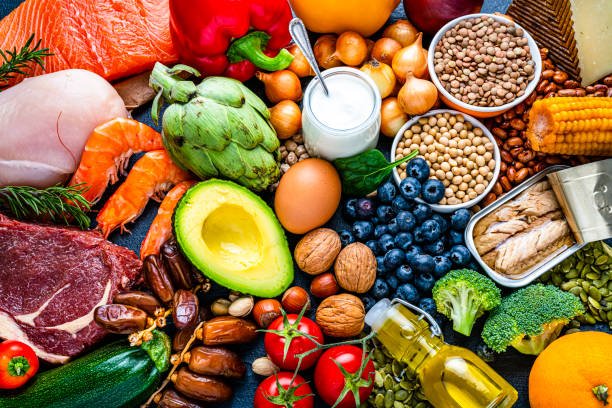
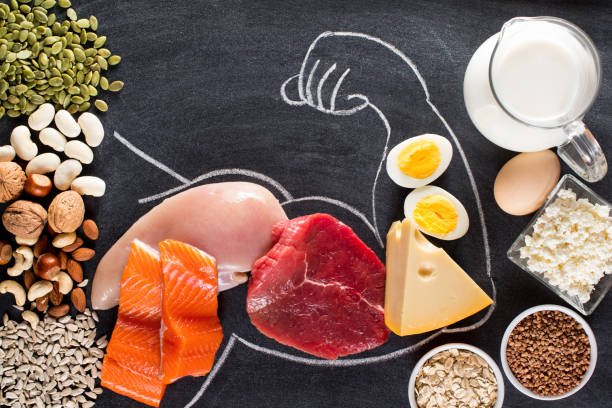
You can find protein in a wide variety of foods, both animal and plant-based. Excellent sources include:
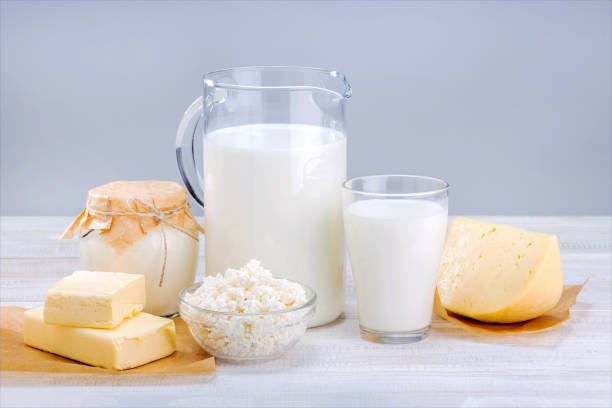
- Animal-based: Eggs, lean meats (chicken, turkey, beef), fish, dairy products (milk, yogurt, cheese)
- Plant-based: Lentils, chickpeas, beans, tofu, tempeh, quinoa, nuts, seeds, and whole grains
- Other sources: Spirulina, cottage cheese, and certain vegetables like spinach and broccoli contain small amounts of protein. Incorporating a mix of these foods helps ensure you get all essential amino acids your body needs.
How Much Protein Do You Need?
Protein requirements vary based on age, gender, activity level, and overall health. On average:
- Adults: 0.8 grams per kilogram of body weight per day
- Athletes or active individuals: 1.2 to 2.0 grams per kilogram of body weight
- Pregnant or breastfeeding women: Slightly higher amounts for supporting fetal or infant growth
To determine your specific needs, multiply your weight in kilograms by the recommended grams per kilogram. For example, a 70 kg person needs about 56 grams of protein daily.
Does Eating Protein Make You Gain Weight?
Consuming excess protein can contribute to weight gain if it leads to a calorie surplus. However, moderate protein intake, especially from healthy sources, can support weight management by promoting satiety and preserving muscle mass during weight loss. It’s not just about the amount but balancing your total calorie intake with your activity level.
Does Protein Help in Building Muscles?
Absolutely! Protein is essential for muscle growth and repair. When you engage in strength training or resistance exercises, your muscles develop tiny tears. Protein provides the amino acids needed to repair and build these muscles stronger and larger. So, adequate protein intake combined with exercise is the perfect formula for muscle development.
What Are the Risks of Eating Too Much Protein?
While protein is necessary, consuming it excessively—especially from processed or high-fat animal sources—may strain your kidneys, lead to dehydration, or cause digestive issues like bloating. People with pre-existing kidney conditions should consult healthcare providers before increasing protein intake. Balance is key; moderation ensures you reap benefits without adverse effects.
Are There Alternatives to Animal-Based Protein?
Yes! Plant-based proteins are excellent alternatives. Foods like lentils, beans, tofu, quinoa, nuts, and seeds provide high-quality protein without the saturated fats found in some animal products. Combining different plant proteins can supply all essential amino acids, making a balanced and healthy vegetarian or vegan diet.
Is Protein Only Found in Meat and Lentils?
No, protein is present in many foods beyond meat and lentils. Dairy products, eggs, nuts, seeds, grains, and vegetables also contain protein. For example, spinach and broccoli have small but significant amounts. Many grains like quinoa and amaranth are complete protein sources, containing all essential amino acids.
What Happens If You Lack Enough Protein?
Protein deficiency can lead to muscle wasting, weakened immunity, fatigue, slow wound healing, and in severe cases, a condition called kwashiorkor, characterized by swelling and skin issues. It can impair growth in children and reduce overall vitality. Ensuring adequate protein intake is vital for maintaining good health.
Easy Ways to Increase Your Protein Intake
- Add eggs or Greek yogurt to your breakfast
- Include nuts, seeds, or nut butters in snacks
- Incorporate beans, lentils, or chickpeas into meals
- Use tofu or tempeh as meat substitutes
- Choose dairy or lean meats for main dishes
- Snack on trail mix or roasted chickpeas
- Use protein powders if needed, especially for athletes or busy individuals
How Do You Know Your Ideal Protein Intake?
Your perfect protein amount depends on factors like age, weight, activity level, and health status. Consulting a nutritionist or using online calculators can help determine your personalized needs. Monitoring your body’s responses—such as muscle strength, recovery, and energy levels—also guides adjustments.
Conclusion
Protein is the cornerstone of a healthy, active lifestyle. Whether you’re building muscles, recovering from illness, or maintaining overall health, adequate and quality protein intake is paramount. Incorporate a variety of sources into your diet, tailor your intake to your needs, and enjoy the benefits of a stronger, healthier body.
FAQs:(Frequently Asked Questions)
Is Protein Harmful for Diabetes or Heart Disease?
No, protein itself is not harmful. In fact, high-quality proteins from plant sources or lean meats can support heart health by reducing saturated fat intake. However, processed meats high in saturated fats and sodium should be consumed in moderation. Diabetics benefit from balanced protein intake to manage blood sugar levels effectively.
Does Protein Only Provide Energy? Or Does It Do More?
While protein can be used as an energy source, its primary role is building and repairing tissues, supporting immune function, and producing enzymes and hormones. It’s essential for muscle growth, cell repair, and overall bodily functions, making it much more than just an energy provider.
Related
Learn More
Calcium & Sources: How to Boost Your Daily Intake
What Is Calcium?
Calcium is a vital mineral essential for maintaining strong bones and teeth, supporting nerve function, muscle contraction, and blood clotting. It is the most abundant mineral in the human body, making up about 1.5% of total body weight. Without adequate calcium, our body cannot perform these critical functions properly.
What Is Calcium Made Of?
Calcium is a chemical element with the symbol Ca and atomic number 20. In the human body, it exists in the form of calcium salts within bones and teeth, providing structure and strength. It also circulates in the bloodstream, participating in various physiological processes.
Where Is Calcium Found?
Calcium is naturally found in many foods, especially dairy products like milk, cheese, and yogurt. It is also present in leafy green vegetables (like spinach and kale), almonds, sesame seeds, fish (like salmon and sardines), and fortified foods such as cereals and plant-based milk. Additionally, calcium supplements are available for those who need extra intake.
Does Calcium Make Our Bones and Teeth Strong?
Absolutely! Calcium is the primary building block of bones and teeth. About 99% of the body’s calcium is stored in these structures, giving them strength and density. Adequate calcium intake during childhood, adolescence, and early adulthood is crucial for developing a strong skeletal system.
How Important Is Calcium?
Calcium is extremely important for overall health. It supports bone density, prevents osteoporosis, helps in muscle function, facilitates nerve signal transmission, and is vital for blood clotting. Maintaining optimal calcium levels is essential for both children and adults to prevent health issues.
What Happens If Calcium Is Deficient?
A deficiency in calcium can lead to weakened bones, increased risk of fractures, and conditions like osteoporosis. In children, calcium deficiency can impair growth and development. Symptoms like muscle cramps, numbness, and abnormal heart rhythms may also appear with severe deficiency.
What Are the Signs of Too Little or Too Much Calcium?
Low calcium symptoms include muscle cramps, tingling in fingers, fatigue, and brittle bones. Excess calcium, often from supplements, can cause kidney stones, constipation, and interfere with the absorption of other minerals. It may also lead to abnormal heart rhythms.
How Can You Fill the Calcium Gap?
To address calcium deficiency, include calcium-rich foods in your diet, such as dairy, leafy greens, and fortified products. Supplements can be taken if recommended by a healthcare provider. Additionally, vitamin D helps calcium absorption, so ensure adequate sunlight exposure or supplements if needed.
How Is Calcium Made or Produced?
Calcium is a naturally occurring mineral obtained from rocks and minerals like limestone, which is processed to produce calcium carbonate and other supplements used in food fortification and medicine.
Is Calcium a Natural Ingredient?
Yes, calcium is a naturally occurring mineral found in the earth’s crust and in many foods. It has been part of the human diet for thousands of years, primarily through dairy and plant-based sources.
Is Calcium Suitable for All Ages?
Yes! Calcium is essential for all age groups. Children need it for growth, teenagers for bone development, adults for maintaining bone density, and older adults to prevent osteoporosis. Adequate calcium intake benefits everyone.
Is Calcium Beneficial for Children?
Absolutely! Calcium is crucial for children’s growth, bone development, and overall health. Adequate calcium intake during childhood and adolescence builds a strong skeletal foundation for lifelong health.
Conclusion
Calcium is an indispensable mineral vital for maintaining healthy bones, teeth, and overall bodily functions. Ensuring sufficient calcium intake through diet or supplements, along with vitamin D, helps prevent deficiency-related health issues like osteoporosis and supports growth and development at every age.
FAQs:(Frequently Asked Questions)
Is Calcium Harmful for Diabetes?
Calcium itself is not harmful for diabetics and may even support overall health. However, excessive calcium intake from supplements should be avoided, as it can cause other health issues. Always consult a healthcare provider for personalized advice.
Are There Alternatives to Calcium?
Yes, plant-based sources like kale, broccoli, almonds, and fortified plant milks are good alternatives. Vitamin D also plays a critical role in calcium absorption, so maintaining optimal vitamin D levels is essential.
Does Calcium Help in Weight Loss?
Calcium alone does not directly cause weight loss. However, some studies suggest that adequate calcium intake may help regulate appetite and fat metabolism, supporting a healthy weight when combined with proper diet and exercise.